
When doctors prescribe psychiatric polypharmacy, the use of two or more psychiatric medications at the same time to treat mental health conditions. Also known as multidrug psychiatric treatment, it’s common in clinics but often done without enough evidence to back it up. Many patients end up on three, four, or even five drugs—antidepressants, antipsychotics, mood stabilizers, benzodiazepines—all at once. It sounds like a comprehensive plan, but in reality, it’s often a patchwork of failed attempts, not a strategy.
Why does this happen? Sometimes it’s because one drug didn’t work well enough. Other times, side effects from the first medication are treated with a second one, and then a third to fix the side effects of the second. It’s a chain reaction. antipsychotics, medications used to manage psychosis, schizophrenia, and sometimes severe depression or anxiety are often added to SSRIs, even when there’s no clear sign of psychosis. antidepressants, drugs like SSRIs and SNRIs that target mood and brain chemicals like serotonin get stacked on top of each other, hoping one will finally click. But studies show this rarely leads to better outcomes—and often increases the risk of dizziness, weight gain, confusion, or even heart problems.
The real danger isn’t just the drugs themselves, but how they interact. For example, combining certain antipsychotics with SSRIs can raise the risk of a dangerous heart rhythm called QT prolongation. Mixing benzodiazepines with opioids or alcohol? That’s a known recipe for overdose. Even seemingly harmless combinations—like an SSRI and a mood stabilizer—can cause serotonin syndrome, a life-threatening surge in brain chemicals. And most patients don’t know this. They’re just taking what’s on the prescription pad, trusting their doctor, unaware that the pharmacy’s drug interaction checker flagged three red alerts.
But it’s not all bad. In some cases, psychiatric polypharmacy is necessary. For treatment-resistant depression, adding an atypical antipsychotic like amisulpride, an antipsychotic with low weight gain risk and unique effects on negative symptoms of schizophrenia to an antidepressant can make a real difference. For bipolar disorder, lithium plus an anticonvulsant might be the only combo that keeps moods stable. The key isn’t avoiding multiple drugs—it’s avoiding random, unmonitored stacking.
What’s missing from most treatment plans? Regular reviews. Too often, patients stay on five meds for years because no one ever sat down and asked, "Which one is actually helping?" A simple medication review—like the kind pharmacists offer—can uncover redundancy, reduce risk, and sometimes eliminate half the pills. It’s not about cutting drugs for the sake of it. It’s about matching the treatment to the person, not the diagnosis.
Below, you’ll find real-world guides that break down how these drugs work together—or clash. You’ll see how one patient’s cocktail of antidepressants and antipsychotics led to severe tremors, and how switching to a single, better-tolerated option changed everything. You’ll learn why some combinations are dangerous, which ones have real evidence behind them, and how to ask your doctor the right questions before adding another pill to your routine.
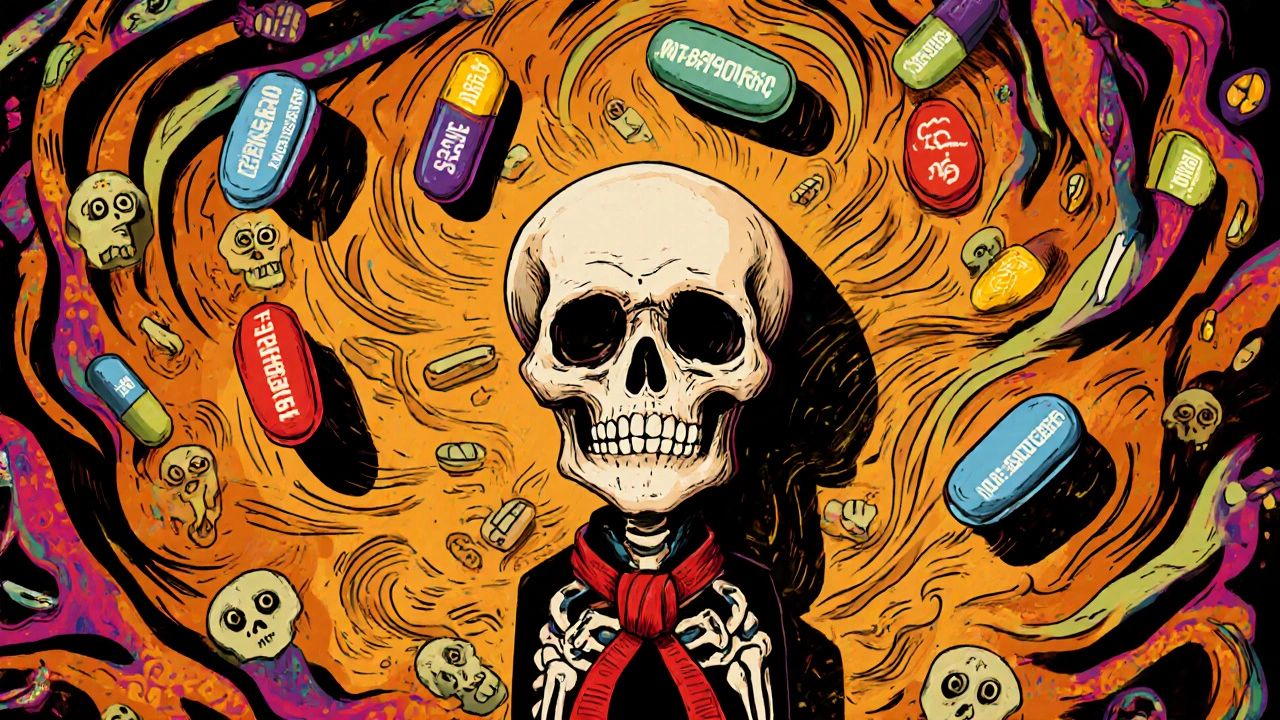
Psychiatric polypharmacy-taking multiple mental health medications at once-is common but often unsupported by evidence. Learn why it happens, the risks involved, and how to safely reduce unnecessary drugs without losing stability.

SGLT2 inhibitors like Jardiance and Farxiga lower blood sugar while protecting the heart and kidneys. Learn how they work, who benefits most, and what side effects to watch for.

Hey there, folks! So, let's tackle the heavyweight topic of how indomethacin, a medication often used for severe arthritis, interacts with our blood pressure. Picture this: indomethacin, the main character in our story, can sometimes be a bit of a naughty rascal, nudging up our blood pressure readings. It's like it's playing a bit of a roller-coaster game with our heart rates! That's why, if you're a regular user, it's important to keep an eagle eye on your blood pressure, because we all know, surprises are good only at birthdays, not with health! So, remember, with indomethacin, it's always better to be a bit of a control freak, monitoring your blood pressure more often than you check your phone!
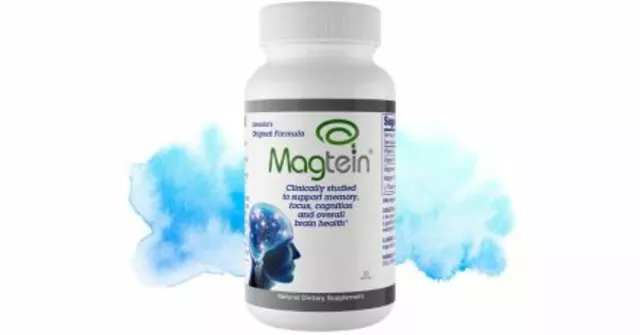
As a blogger, I recently came across a game-changing dietary supplement called Apoaequorin that has been making waves in the health industry. This incredible supplement is known for its potential to enhance memory and focus, which is something we could all benefit from. Derived from the Aequorea Victoria jellyfish, Apoaequorin is a unique protein that has shown promising results in improving cognitive function. I'm excited to explore and share more about this supplement with my readers, as it could be a revolutionary addition to our daily routines. Stay tuned for an in-depth article discussing the benefits, research, and potential side effects of Apoaequorin!

TNF inhibitors have transformed ankylosing spondylitis treatment by targeting the root cause of spine inflammation. Learn how these biologics reduce pain, improve mobility, and slow disease progression - and which patients benefit most.

Learn safe ways to purchase cheap generic Singulair online, compare prices, verify pharmacies, and save on your asthma medication.