
When your skin shows unusual spots that won’t go away, it’s not always just a sunburn or an old scar. Some of these changes are precancerous skin lesions, abnormal growths on the skin that aren’t cancer yet but have a high chance of becoming cancer if left untreated. Also known as actinic keratoses, they’re the body’s warning sign that years of sun exposure have damaged skin cells enough to start turning dangerous. These aren’t rare — over 58 million Americans have them, and most don’t even know it. The good news? If caught early, they’re almost always treatable before they become full-blown skin cancer.
Most precancerous lesions show up on areas hit hardest by the sun: your face, ears, scalp, hands, and arms. They often feel rough, like sandpaper, and look like small red or brown scaly patches. Sometimes they itch, burn, or bleed when you rub them. Not all skin changes are this obvious — some look like warts, others like persistent sores that don’t heal. That’s why regular skin checks matter. Dermatologists use tools like dermatoscopes and sometimes take a skin biopsy, a quick procedure where a tiny piece of skin is removed and tested in a lab to confirm if cells are changing. Also known as biopsy, this is the only way to be sure a lesion is precancerous and not something else. If you’re over 40, have fair skin, or spent a lot of time in the sun without protection, your risk goes up. But even younger people aren’t safe — UV damage adds up over time, and tanning beds make it worse.
Doctors don’t just watch these spots — they treat them. Options include freezing them off with liquid nitrogen, applying special creams that kill abnormal cells, or using light therapy. The goal isn’t just to remove the lesion, but to stop it from turning into squamous cell carcinoma, the second most common type of skin cancer. Prevention is just as important: daily sunscreen, wide-brimmed hats, and avoiding midday sun cut your risk dramatically. And if you’ve had one precancerous lesion, you’re more likely to get others — so follow-up visits with your dermatologist aren’t optional.
What you’ll find below are real, practical guides on how to recognize these warning signs, what treatments actually work, how to protect your skin long-term, and what to ask your doctor when you spot something odd. No fluff. Just clear, actionable info from people who’ve seen this firsthand.

Actinic keratoses are precancerous skin patches caused by sun damage. Learn how field treatments like topical creams and photodynamic therapy can prevent them from turning into skin cancer.

Zyrtec is one of the top choices for fast allergy relief, but there's much more to it than just popping a pill. This article explores how Zyrtec works, tips for safer use, how it compares to other allergy medicines, and surprising facts you probably didn't know. Discover detailed advice and smart hacks to help make your allergy season a breeze.

Learn where to find trusted online pharmacies, compare prices, verify legitimacy, and safely purchase cheap generic clindamycin with step‑by‑step guidance.

Want cheap generic Synthroid online in Canada? See safe pharmacy checks, 2025 pricing, ways to save, legal rules, and quick steps to order without risking your thyroid health.

PCI and CABG are two proven treatments for blocked heart arteries. Learn how doctors decide which one is right for you based on diabetes, blockage complexity, and long-term outcomes.
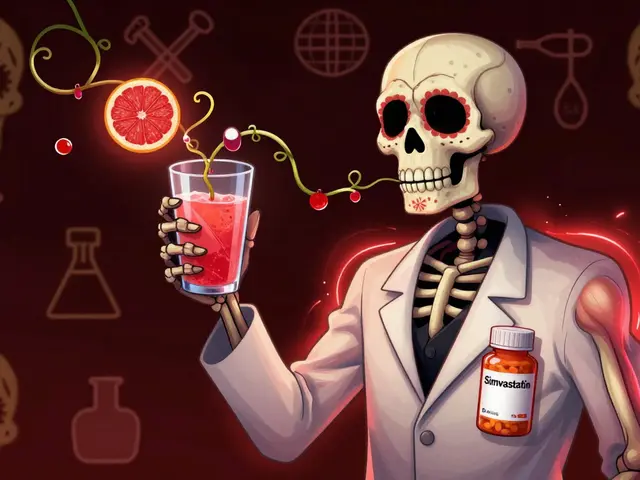
Grapefruit can dangerously raise statin levels in your blood, increasing the risk of muscle damage. Learn which statins are risky, how much grapefruit is safe, and what to do if you love citrus but need to lower cholesterol.