
If you’ve ever stared at sky‑high drug prices or struggled to find a prescription filled quickly, you’re not alone. Many people turn to alternatives that cut costs and save time while staying safe. Below we break down why these options exist, what types work best, and practical steps to avoid scams.
Traditional pharmacies charge overhead fees that push prices up. In addition, some neighborhoods simply lack a nearby store, leaving patients stuck waiting weeks for deliveries. Online services, generic swaps, and discount programs have sprung up to fill those gaps. The goal isn’t to ditch doctors—it’s to give you more ways to access the same treatment without overpaying.
One common misconception is that “online equals risky.” In reality, licensed online pharmacies follow the same regulations as physical ones. They verify prescriptions, use secure shipping, and often provide price comparisons that help you see where a $30 brand‑name drug could be bought for under $10 as a generic.
1. Certified Online Pharmacies: Look for sites accredited by the National Association of Boards of Pharmacy (NABP) or displaying a .pharmacy domain. These badges mean the pharmacy checks prescriptions, stores medicines properly, and protects your data.
2. Generic Medication Switches: Most brand‑name drugs have a generic version that contains the same active ingredient. For example, Cipro’s cheap counterpart is ciprofloxacin 500 mg. Ask your doctor or pharmacist if a generic fits your treatment plan.
3. Pharmacy Discount Cards: Programs like GoodRx or RxSaver let you compare prices at local and online stores in real time. You simply present the printed coupon at checkout, and the discount is applied immediately.
4. Mail‑Order Services from Insurance Plans: Many insurers offer a 90‑day supply mailed to your door for a lower co‑pay than a weekly pick‑up. Set up automatic refills so you never run out.
5. Community Health Clinics: Some clinics dispense low‑cost meds on site, especially for chronic conditions. They often partner with drug manufacturers for free or reduced‑price supplies.
When trying any alternative, start by confirming the pharmacy’s license (you can check the FDA’s database) and read recent user reviews that mention delivery speed and product quality. Avoid sites that ask for payment before you submit a prescription—legitimate pharmacies will always request proof of need first.
Finally, keep a list of your current meds, dosages, and any allergies. Having this information handy speeds up verification and reduces the chance of errors during shipping. If something feels off—like unusually low prices or vague contact info—trust your gut and look elsewhere.

Explore the top alternatives to Canada Pharmacy Online in 2025, focusing on PocketPills among others. Discover the upsides and downsides of each alternative, including free delivery offers and app-managed prescriptions. This guide helps you make informed choices for your medication needs.

Fibromyalgia can be a tricky condition, marked by widespread pain and fatigue. Vortioxetine, an antidepressant, is showing promise in helping those with fibromyalgia manage their symptoms. By positively affecting neurotransmitter levels, it may offer relief from pain and fatigue, giving patients a better quality of life. This article dives into how vortioxetine works and why it might be a game-changer for fibromyalgia sufferers.
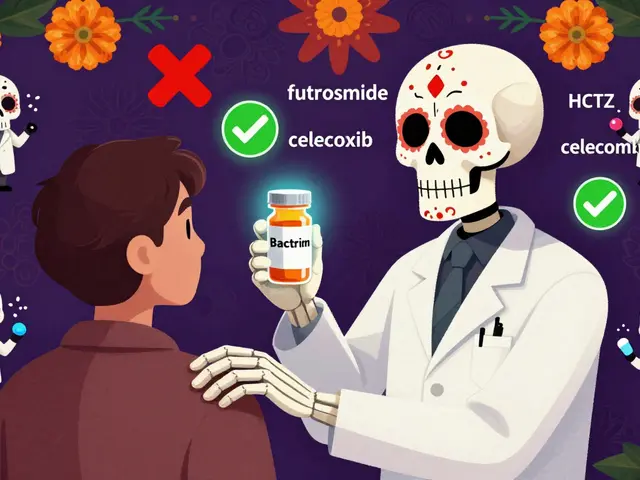
Many people wrongly avoid safe medications like blood pressure pills due to a misunderstood sulfa allergy. Learn the real risks, which drugs are truly dangerous, and how to fix your medical records.
FDA black box warnings are the strongest safety alerts for prescription drugs, signaling risks of death or serious injury. Learn what they mean, how they're issued, and what to do if your medication has one.
As a blogger, I've recently delved into the role of surgery in treating Graves' disease. Surgery, specifically thyroidectomy, is one of the three primary treatment options for this condition, alongside medication and radioactive iodine therapy. It involves removing all or part of the thyroid gland, which can provide long-term relief from symptoms. Although it may not be the first choice for many patients, surgery can be especially beneficial for those with large goiters, pregnant women, or individuals who cannot tolerate other treatments. Overall, surgery plays a crucial role in Graves' disease treatment and can offer life-changing results for patients in specific circumstances.

Alopecia areata is an autoimmune condition causing sudden, patchy hair loss. Learn about its causes, clinical forms, and evidence-based treatments-including corticosteroid injections and FDA-approved JAK inhibitors like baricitinib and ritlecitinib.