
When it comes to pediatric medication safety, the practice of ensuring children receive the right drug, in the right dose, at the right time, without harmful side effects or interactions. Also known as child-safe drug use, it’s not just about avoiding overdoses—it’s about understanding how a child’s body processes medicine differently than an adult’s. Kids metabolize drugs faster or slower depending on their age, weight, and organ development. A dose that’s safe for a 10-year-old could be toxic for a 6-month-old. Even small errors—like confusing milligrams with milliliters or using adult pills cut in half—can lead to hospital visits or worse.
One of the biggest risks comes from medication errors in kids, mistakes in prescribing, dispensing, or giving drugs to children. Also known as pediatric dosing errors, these often happen because caregivers rely on guesswork, outdated charts, or poorly labeled bottles. Studies show over 70% of accidental pediatric overdoses involve liquid medications, especially when parents use kitchen spoons instead of proper dosing tools. Even something as simple as a misread prescription can cause serious harm—like giving a child an adult-strength acetaminophen tablet, which can lead to liver failure. Then there’s pediatric drug interactions, when two or more medications, supplements, or even foods interfere with each other in a child’s body. For example, giving a child an antihistamine with a cough syrup that also contains an antihistamine can cause dangerous sedation. Or combining certain antibiotics with common vitamins can reduce effectiveness or spike toxicity. These aren’t rare edge cases—they’re preventable problems that happen every day in homes, pharmacies, and even clinics.
Parents and caregivers need clear, simple guidance—not complicated medical jargon. The right tools matter: calibrated syringes, printed dosing charts by weight, and knowing exactly what’s in each medicine (including hidden ingredients). It’s not enough to say "give half a teaspoon." You need to know if that teaspoon is from a measuring cup, a plastic spoon, or a dropper that came with the bottle. And you need to know if the medicine you’re giving is meant for children at all. Many drugs approved for adults have never been properly tested in kids, yet they’re still prescribed off-label. That’s why knowing the difference between an authorized generic, a version of a brand-name drug made by the same company, often with the same inactive ingredients and a regular generic matters—some kids react to fillers in cheaper generics.
There’s no room for guesswork when a child’s life is on the line. Pediatric medication safety isn’t about being perfect—it’s about being careful, asking questions, and double-checking everything. Whether you’re giving medicine for a fever, an ear infection, or a chronic condition, the same rules apply: know the dose, know the drug, know the risk. And if you’re ever unsure? Talk to your pharmacist. They’re trained to catch what doctors and parents might miss.
Below, you’ll find real-world advice from studies and patient experiences—on how to avoid common mistakes, what to look for on labels, how to spot dangerous interactions, and what to do when something doesn’t feel right. These aren’t theory pieces. They’re tools you can use today to protect the kids in your care.
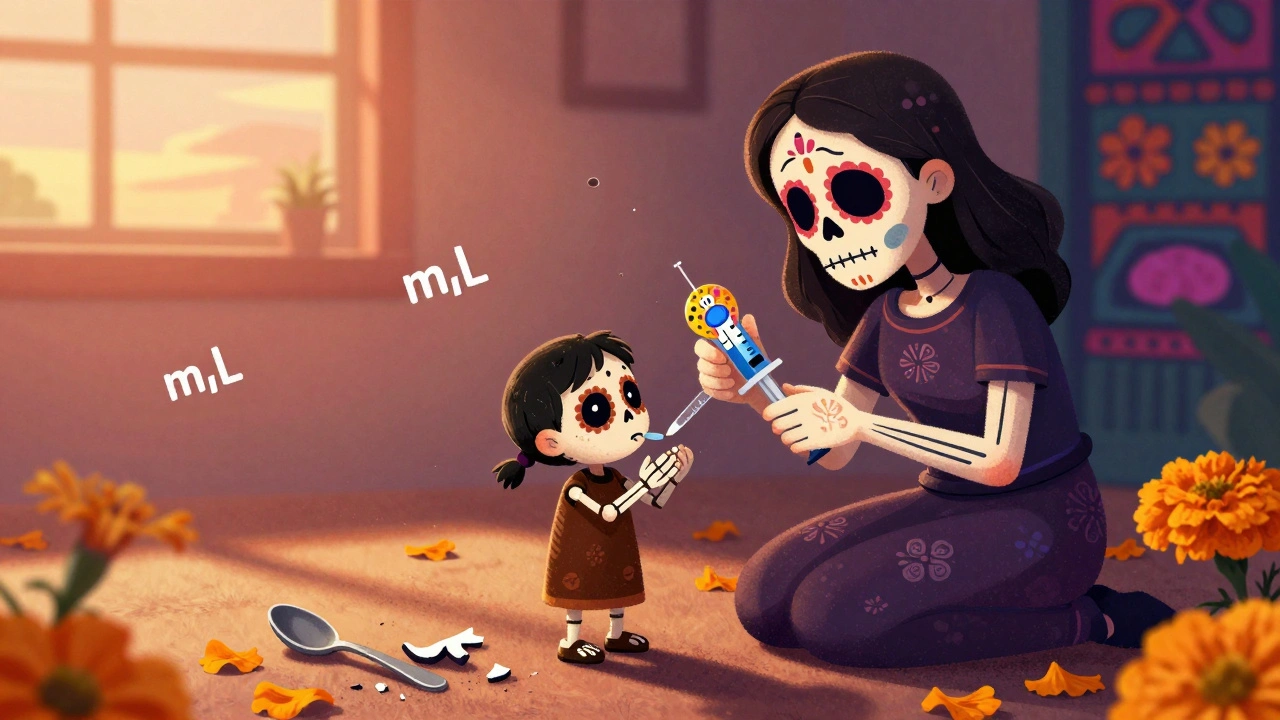
Using household spoons to dose children's medicine is dangerous and inaccurate. Learn why oral syringes and milliliter measurements are the only safe choice for kids' liquid medications.

Tinnitus affects 1 in 5 people and is often linked to hearing loss. Learn the real causes, what actually helps - from hearing aids to CBT - and what to avoid. No magic cures, just science-backed strategies.

This article explores how well pyridostigmine bromide works for people with myasthenia gravis over long periods. It covers how the medication helps with daily symptoms, its long-term side effects, and what patients can expect from ongoing use. You'll get practical advice on managing the medication, what to watch out for, and how to talk to your doctor about adjusting doses. The article also looks at what recent research says about the safety of using pyridostigmine for years. It's straightforward, direct, and focused on helping patients and caregivers make informed decisions.

Whistleblower protections shield manufacturing workers who report safety defects, from toys to medical devices. Learn which laws apply, deadlines to meet, and how to avoid retaliation.

Cutaneous lupus causes skin rashes triggered by UV light. Learn how sunlight activates immune responses, what protective measures actually work, and the latest treatments to prevent flares and protect your skin.

Cut through the confusion of online Tofranil shopping. Here’s what you really need to know to buy antidepressants online, stay safe, and avoid scams.