
When your heart races out of nowhere, your chest tightens, and you feel like you’re dying—panic attacks, sudden episodes of intense fear that trigger severe physical reactions even when there’s no real danger. Also known as acute anxiety episodes, they’re not just "being nervous"—they’re your body’s alarm system going off by mistake. These attacks can happen while you’re sitting still, driving, or even sleeping. They don’t care about your schedule, your job, or how "together" you seem. And they’re more common than most people admit.
Panic attacks are the core symptom of panic disorder, a condition where panic attacks happen repeatedly and lead to constant fear of the next one. But not everyone who has a panic attack has the disorder. What sets them apart is the cycle: the attack, the fear of having another, and then avoiding places or situations where it might happen again. This spiral can turn a single episode into a life-limiting problem. Many people confuse panic attacks with heart problems or asthma because the symptoms overlap—sweating, dizziness, shortness of breath, numbness, chest pain. But if doctors rule out physical causes and the attacks keep coming without warning, it’s likely panic.
What triggers them? Sometimes nothing obvious. Other times, stress, caffeine, lack of sleep, or even certain medications can tip the balance. anxiety disorders, a group of mental health conditions marked by excessive fear and worry often share roots with panic attacks. They’re not caused by weakness or bad thinking—they’re tied to brain chemistry, genetics, and how your nervous system learns to respond to stress. And while therapy and lifestyle changes help, some people need medication. benzodiazepines, fast-acting sedatives sometimes prescribed for short-term panic relief can calm the storm quickly, but they’re not a long-term fix. Overuse leads to dependence, and they don’t teach your brain how to stop the attacks.
What actually works? Breathing techniques, cognitive behavioral therapy, and regular exercise have strong evidence behind them. Learning to ride out the physical sensations instead of fighting them changes everything. Many people find relief by understanding that panic attacks, while terrifying, aren’t dangerous. Your body isn’t failing—it’s overreacting. And that overreaction can be rewired.
The posts below cover real stories, practical tools, and medical insights about panic attacks—from how they connect to other conditions like depression and heart disease, to what drugs help and which ones to avoid. You’ll find advice on managing symptoms without relying on pills, how to talk to your doctor about treatment, and what to do when panic hits in public. No fluff. No vague encouragement. Just clear, usable information from people who’ve been there—and the experts who help them get through it.

Anxiety disorders affect nearly 1 in 5 adults and include types like GAD, panic disorder, and social anxiety. Evidence-based treatments like CBT and SSRIs are highly effective, with new options like digital apps and zuranolone emerging in 2023.
OTC sleep aids like diphenhydramine and melatonin offer minimal sleep benefits but carry serious risks including dementia, falls, and rebound insomnia. Learn safe limits and better alternatives.
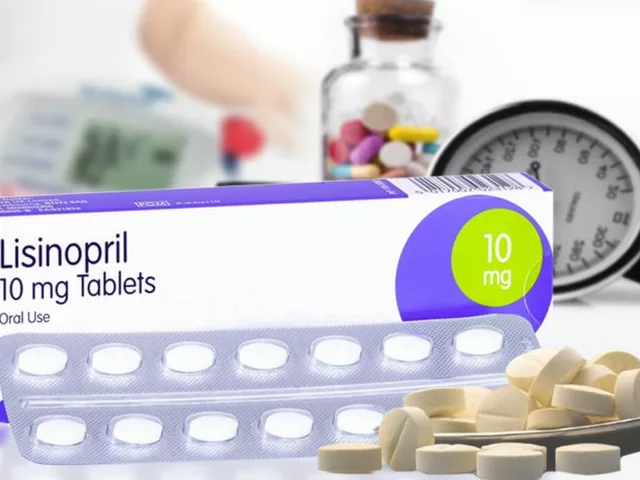
As a blogger, I've been researching the potential long-term effects of Lisinopril usage. Lisinopril, an ACE inhibitor, is commonly prescribed to treat high blood pressure and heart failure. While it may be effective in managing these conditions, it's important to be aware of the possible long-term effects. Some studies suggest that prolonged use of Lisinopril could potentially lead to kidney impairment, electrolyte imbalances, and an increased risk of angioedema. It's crucial to discuss these risks with your healthcare provider and weigh the potential benefits and drawbacks of using this medication long-term.

Anaphylaxis is a life-threatening allergic reaction that requires immediate epinephrine. Learn the warning signs, how to use an auto-injector correctly, why antihistamines won’t save you, and what to do after the shot.
This article delves into how Losartan, a medication commonly used for hypertension, may have potential benefits in lowering eye pressure in glaucoma patients. By examining recent studies and scientific findings, we explore the mechanism behind Losartan’s effects on intraocular pressure and offer practical insights for those managing glaucoma.

Learn how to purchase affordable generic atenolol online while staying safe. Get tips on spotting reputable pharmacies, price comparisons, and avoiding counterfeits.