
When you take more than one medication, a medication review, a structured evaluation of all the drugs a person is taking to identify risks, redundancies, and opportunities for improvement. Also known as drug reconciliation, it’s not a formality—it’s a critical safety step that prevents hospital visits, dangerous side effects, and even death. Think of it like a car tune-up, but for your body. If you’re on five or more prescriptions, or even just a few plus over-the-counter pills and supplements, your body isn’t just processing medicine—it’s juggling a chemical puzzle where one wrong piece can crash the whole system.
A polypharmacy, the use of multiple medications at once, often by older adults or those with chronic conditions. Also known as multiple drug therapy, it’s common—but not always necessary. Many people don’t realize they’re taking drugs that cancel each other out, or that one pill is causing the symptom another is meant to fix. A drug interaction, when two or more medications affect each other’s performance or increase side effects. Also known as medication clash, it can turn a harmless combo into a medical emergency. For example, mixing beta-blockers with certain calcium channel blockers can slow your heart too much. Or taking alcohol with painkillers like acetaminophen can wreck your liver. These aren’t rare accidents—they happen every day because no one stopped to ask: "Why are you taking all of this?"
Side effects aren’t just annoying—they’re often ignored until they become serious. A side effect, an unintended and often harmful reaction to a medication. Also known as adverse drug reaction, it’s the hidden cost of many prescriptions. One person might take metformin for diabetes and feel fine, while another gets stomach cramps so bad they quit. Another might be on an antipsychotic that causes weight gain, then gets prescribed a new drug to treat the weight gain—creating a cycle no one noticed. A good medication review doesn’t just list what you’re on—it asks: "Is this still helping? Is it worth the cost? Could something simpler work?"
Medication reviews are especially vital for seniors, transplant patients, and anyone managing mental health, diabetes, or chronic pain. They’re not just for hospitals—you can ask for one anytime you see your doctor or pharmacist. Bring your full list: pills, patches, vitamins, herbal teas, even CBD oil. Don’t assume your doctor knows everything you take. Most don’t. A review can cut out duplicate drugs, replace risky combos, or even stop something you’ve been taking for years with no real benefit.
What you’ll find in the posts below isn’t theory—it’s real cases. How a simple review stopped a dangerous mix of psychiatric drugs. Why a senior’s blood pressure meds were causing dizziness and falls. How switching one diabetes pill improved energy without changing blood sugar. These aren’t isolated stories. They’re patterns. And they’re fixable—if you know what to ask for.
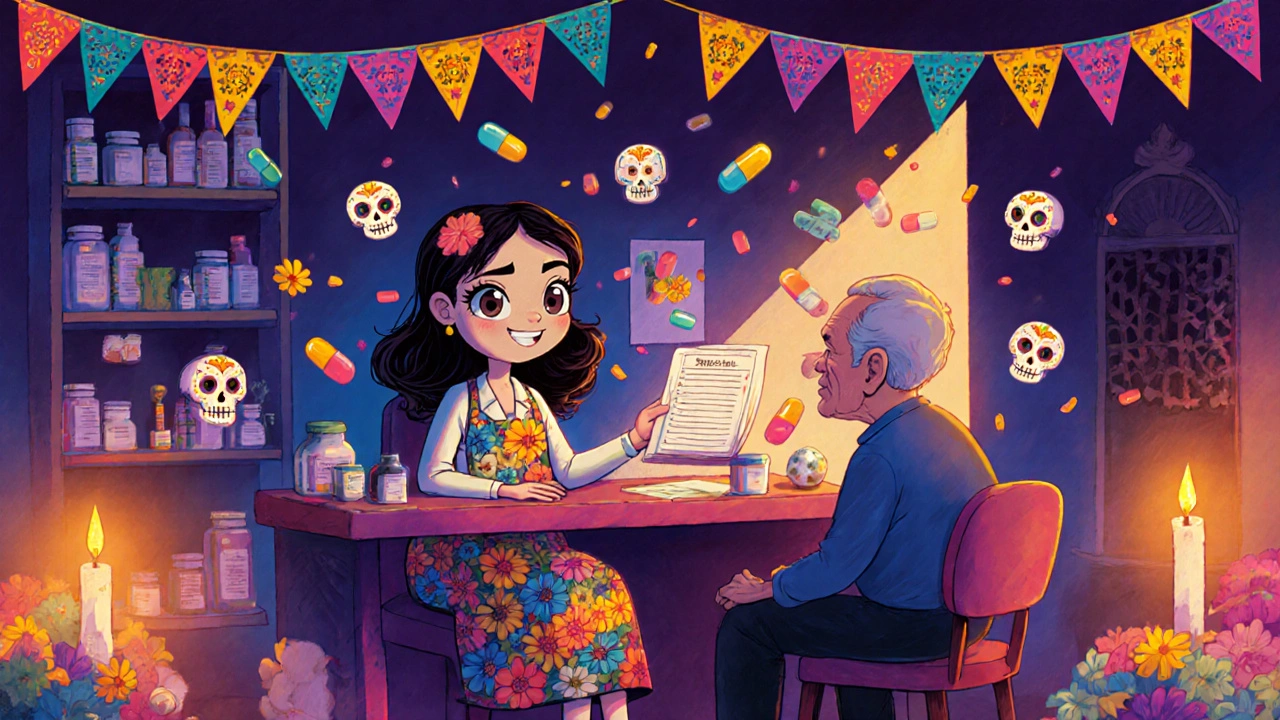
Learn how to use your pharmacy's consultation service to prevent dangerous drug interactions, save money, and improve medication adherence. A proven safety tool most patients don't know about.

Secondary patents let pharmaceutical companies extend market exclusivity by patenting minor changes to drugs - not the active ingredient, but how it's delivered, used, or made. These tactics delay generics and keep prices high.

In my recent dive into medical research, I stumbled upon a controversial topic: the potential link between Amlodipine, a common high blood pressure medication, and cancer. Several studies have surfaced suggesting a possible association, but the evidence is inconsistent and not yet fully understood. It's essential to remember that correlation does not imply causation, so while this topic definitely warrants further research, there's no need for panic. If you're currently taking Amlodipine, don't stop or change your medication without first discussing it with your doctor. Stay tuned as I continue to monitor this ongoing discussion.

A detailed side‑by‑side comparison of Zenegra (sildenafil) with Viagra, Cialis, Levitra, Stendra and generic options, covering onset, duration, cost, safety and best‑use scenarios.
Clinical evidence shows generic drugs are just as safe and effective as brand-name drugs for most people. Learn when generics work, when to be cautious, and what to do if you notice a difference after switching.

Explore how tobacco use fuels pancreatic cancer, the biological mechanisms, risk statistics, and steps to protect yourself.