
When you eat carbs, digestible nutrients like starches and sugars that break down into glucose. Also known as carbohydrates, they’re the main driver of blood sugar spikes. That’s where insulin, a hormone made by the pancreas that tells cells to absorb glucose from the blood. Also known as the blood sugar regulator, it’s the key that unlocks your cells so glucose can enter and be used for energy. Without enough insulin—or if your body doesn’t respond to it—glucose stays in your blood, and that’s when problems start. This isn’t just for people with diabetes. Even if you’re healthy, understanding how insulin and carbs interact helps you avoid energy crashes, cravings, and long-term metabolic issues.
Insulin doesn’t care if your carbs come from bread, rice, fruit, or candy—it responds to the amount of glucose in your blood. But the speed and size of the spike? That’s where things get practical. A sugary drink spikes blood sugar fast, forcing your body to dump out a big wave of insulin. A bowl of oatmeal with nuts and berries? Slower, steadier, less insulin needed. That’s why people managing diabetes or prediabetes track carbs not just by grams, but by type and timing. Pairing carbs with protein or fat slows digestion, lowers the insulin demand, and keeps you full longer. It’s not about cutting carbs entirely—it’s about working with your body’s natural rhythm.
Insulin sensitivity matters more than you think. If you’re constantly eating high-carb meals, your cells start to ignore insulin’s signal—this is insulin resistance. It’s the first step toward type 2 diabetes. But the good news? You can reverse it. Studies show that reducing refined carbs, moving more, and eating consistent meals can restore your body’s response to insulin in weeks. Even small changes, like swapping white rice for barley or skipping sugary morning cereal, add up. And it’s not just about medication. Many people managing diabetes find that adjusting their carb intake gives them more control than any drug alone.
What you’ll find below are real, practical posts that dig into the details: how different types of carbs affect insulin levels, what happens when you mix carbs with certain meds, why some people need less insulin than others, and how diet choices impact long-term health. No fluff. No theory without application. Just clear, usable info from people who’ve been there.
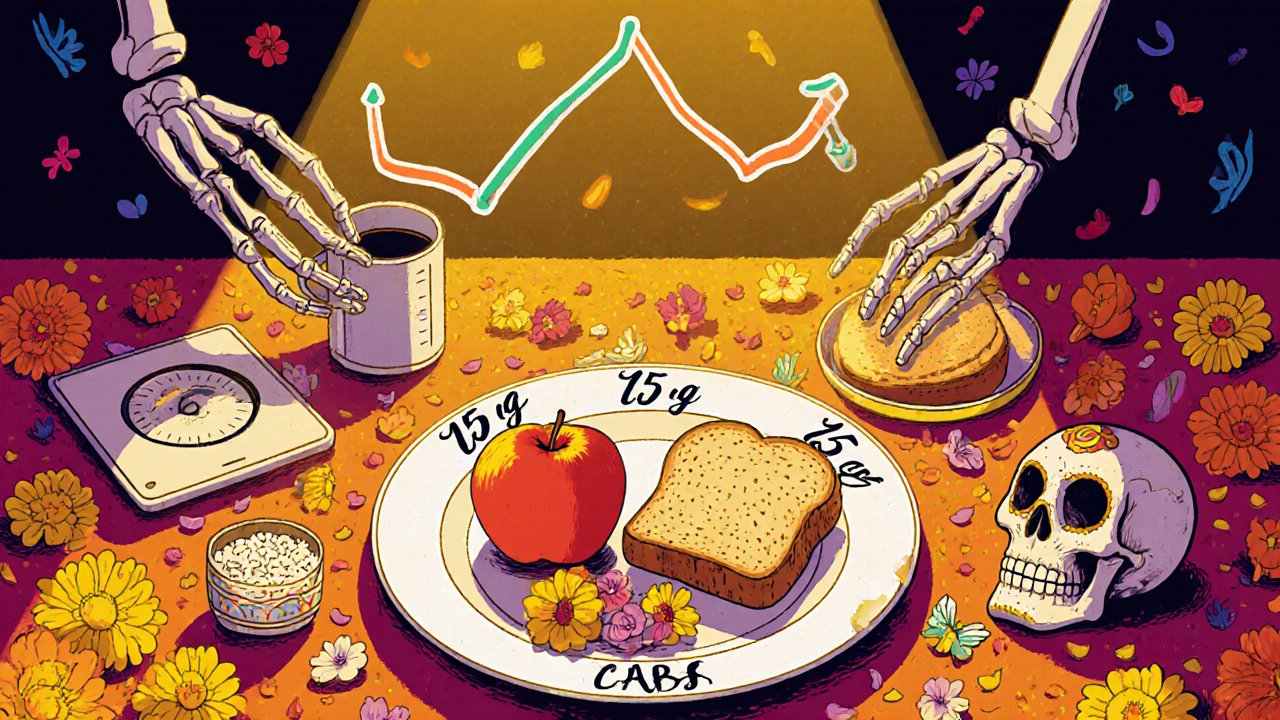
Learn how to count carbohydrates for diabetes management with this beginner-friendly guide. Understand carb servings, insulin ratios, reading labels, and avoiding common mistakes to take control of your blood sugar.

When a child swallows the wrong medication, immediate action is critical. Call Poison Control at 800-222-1222 first. Avoid inducing vomiting. Know life-threatening symptoms requiring 911. Prevent future incidents with locked storage and smart pill bottles.
Alcohol and prescription drugs can interact dangerously, causing overdose, liver damage, or death. Learn which meds are most risky, who's most vulnerable, and how to stay safe.

In my recent post, I discussed the relationship between Pyridostigmine Bromide and exercise for those living with Myasthenia Gravis. I explored how this medication can improve muscle strength, making physical activity more manageable for patients. However, I also highlighted the importance of balancing exercise with rest periods and working closely with healthcare providers to establish a suitable routine. Furthermore, it's crucial to listen to your body and not push too hard, as overexertion can lead to symptom flare-ups. Overall, while Pyridostigmine Bromide can aid in physical activity, careful management is key.

Anaphylaxis is a life-threatening allergic reaction that requires immediate epinephrine. Learn the warning signs, how to use an auto-injector correctly, why antihistamines won’t save you, and what to do after the shot.

A detailed look at Flunil (Fluoxetine) compared with other antidepressants. Learn mechanisms, dosing, side‑effects, cost and how to pick the right option for you.