
When working with Immunizations, the process of inducing protective immunity by administering vaccines. Also known as vaccinations, it plays a vital role in preventing infectious diseases worldwide.
At the heart of any immunization program are Vaccines, biological preparations that safely mimic disease agents to train the immune system. Whether you’re getting a flu shot, a COVID-19 booster, or a childhood series, each vaccine follows a carefully designed schedule that balances effectiveness and safety. Immunizations require proper storage—typically a cold chain at 2‑8 °C—to maintain potency, and they depend on trained professionals to administer the correct dose.
One cornerstone concept is Herd Immunity, the indirect protection that arises when a high percentage of a community is immune. When enough people are vaccinated, the disease finds fewer hosts, slowing or even stopping transmission. This effect is especially crucial for those who cannot be vaccinated due to medical reasons. Another essential piece is the Vaccine Schedule, the timing and order of doses recommended for optimal immune response. Pediatric schedules often start at birth and continue through adolescence, while adult schedules focus on boosters and risk‑based vaccines.
Understanding the risk–benefit profile of each vaccine helps navigate concerns about adverse reactions. Most side effects are mild—soreness at the injection site, low‑grade fever, or brief fatigue—and resolve within a day or two. Serious events are exceedingly rare, and surveillance systems continuously monitor safety data. By pairing accurate information with proper administration techniques, healthcare providers can minimize discomfort and maximize protection.
Beyond individual health, immunizations intersect with public health policy, travel requirements, and outbreak response. Travel clinics use the same vaccine‑schedule principles to tailor protection for destination‑specific diseases, while outbreak teams deploy mass‑vaccination campaigns to curb spread. Storage logistics, record‑keeping, and patient education all feed into a resilient immunization ecosystem. Below you’ll find a curated collection of articles that dig deeper into these topics. From detailed vaccine comparisons to practical guides on buying generic medications safely, the posts cover everything you need to make informed decisions about your health and the health of those around you.

Learn why infant immunizations are vital, how the vaccine schedule works, the diseases they prevent, safety facts, and practical steps for parents to protect their child's health.

Actinic keratoses are precancerous skin patches caused by sun damage. Learn how field treatments like topical creams and photodynamic therapy can prevent them from turning into skin cancer.
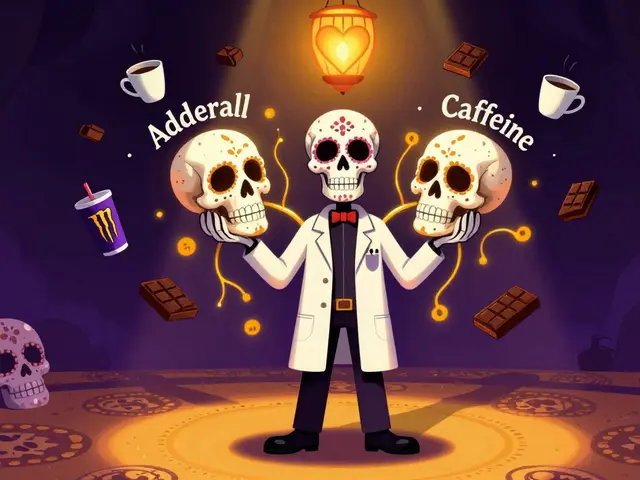
Caffeine and ADHD medications like Adderall can seem like a helpful combo, but they carry serious risks including anxiety, heart strain, and crashes. Learn how to safely manage this interaction-or avoid it altogether.

In my latest blog post, I've discovered the amazing benefits of Bromelain, a secret weapon in our dietary supplement arsenal. This powerful enzyme, found in pineapple stems, has incredible anti-inflammatory and digestive properties. It's been proven to aid in protein digestion, reduce swelling, and even help with sinus-related issues. I personally love adding Bromelain supplements to my daily routine, and I've noticed a significant improvement in my overall well-being. Don't miss out on this hidden gem - give Bromelain a try and feel the benefits for yourself!
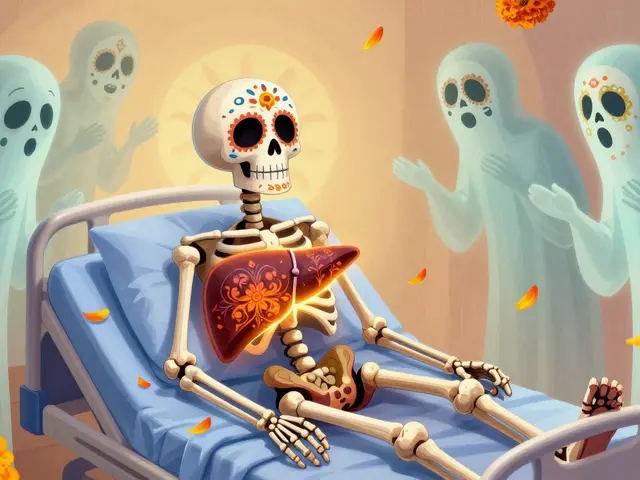
Liver transplantation is the only cure for end-stage liver disease. Learn who qualifies, what happens during surgery, and the lifelong commitment to immunosuppression that follows.
Abdominal distension can turn a great day into a disaster, but probiotics might just be the underrated tool your gut needs. This article dives into how probiotics can actually help reduce bloating and swelling by changing your gut’s bacterial landscape. I'll explore specific strains, explain what real evidence says, and unpack simple habits to keep your digestion happy. You'll learn who benefits most, what mistakes to avoid, and how small changes can add up. Get ready for tips straight from the science to your everyday life.