
If you’ve heard the term “gastric cancer” and feel confused, you’re not alone. It’s a type of stomach cancer that starts in the lining of your stomach. Knowing the basics can help you spot warning signs early and talk confidently with your doctor.
The biggest risk factor is an infection called Helicobacter pylori. This bacteria lives in many people’s stomachs, but only a small group develops cancer. If you’ve had ulcers or frequent stomach pain, ask your doctor to test for H. pylori.
Other habits raise the risk too. Smoking adds harmful chemicals that damage stomach cells. Drinking lots of alcohol can irritate the lining and make it easier for tumors to grow. A diet high in salty, smoked, or pickled foods also counts as a red flag because those foods contain nitrates that turn into carcinogens.
Family history matters. If close relatives have had gastric cancer, you might inherit genes that increase susceptibility. Talk about your family’s health record when you see a doctor – it can guide screening decisions.
Treatment depends on how far the cancer has spread. Early‑stage tumors may be removed with surgery alone, often called a partial gastrectomy. Surgeons cut out the tumor and a small margin of healthy tissue.
If the disease is more advanced, doctors combine surgery with chemotherapy or radiation. Chemotherapy drugs travel through your blood to kill cancer cells that might have slipped away during surgery. Radiation targets the stomach area from outside the body, helping shrink tumors before an operation.Targeted therapies are newer options for certain genetic changes in the tumor. Drugs like trastuzumab work on cancers that overproduce a protein called HER2. Your oncologist can run tests to see if your cancer fits this profile.
Supportive care is just as important. Nutritional help, pain management, and counseling keep quality of life steady while you undergo treatment. Many hospitals have dietitians who suggest easy‑to‑digest meals that give the body enough calories without irritating the stomach.
Finally, remember prevention steps you can take today. Quit smoking, limit alcohol, eat more fresh fruits and vegetables, and get your H. pylori infection treated if you have it. Regular check‑ups are key for anyone with a strong family history.
Understanding gastric cancer doesn’t replace professional advice, but it gives you a solid starting point. Use this knowledge to ask the right questions, spot early signs, and stay proactive about your health.

As a blogger, I've come across some interesting information about the connection between atrophic gastritis and gastric cancer. Atrophic gastritis is a chronic inflammation of the stomach lining, which leads to the loss of gastric glandular cells and their eventual replacement by intestinal and fibrous tissues. This condition is considered a significant risk factor for gastric cancer, as it causes a gradual decline in gastric acid production and an increase in the production of gastrin, a hormone that promotes cell growth. With the loss of normal stomach function, the risk of developing gastric cancer significantly increases, especially in cases of autoimmune or H. pylori-induced gastritis. It's crucial to monitor and manage atrophic gastritis symptoms to reduce the risk of gastric cancer and maintain overall digestive health.

Lamisil (terbinafine) is a proven antifungal medication used for athlete's foot, nail fungus, and other stubborn fungal infections. This article cuts through the noise to explain how Lamisil works, when and how to use it, possible side effects, real-world tips, and little-known facts drawn from medical data and everyday experience. If you’re tired of battling with persistent fungal issues or unsure if Lamisil is for you, you'll find actionable advice and honest insights here.

In my recent deep dive into the workings of Ornidazole, I found that it operates as an effective antibacterial and antiprotozoal medication. It primarily fights against infections by damaging the DNA of the pathogenic microorganisms, preventing them from reproducing or spreading further. Ornidazole selectively targets and enters bacterial cells, then interferes with their genetic material. This intricate process ultimately leads to the death of the bacteria or protozoa, effectively treating the infection. With its unique mechanism, Ornidazole is a powerful tool in our medical arsenal.

Lower GI bleeding is often caused by diverticula or angiodysplasia, especially in older adults. Learn how doctors diagnose and treat these common but different conditions, and why early intervention matters.

Discover why jewelweed supplement is praised for glowing skin and a fortified immune system, backed by science, dosage tips, and a side‑by‑side herb comparison.
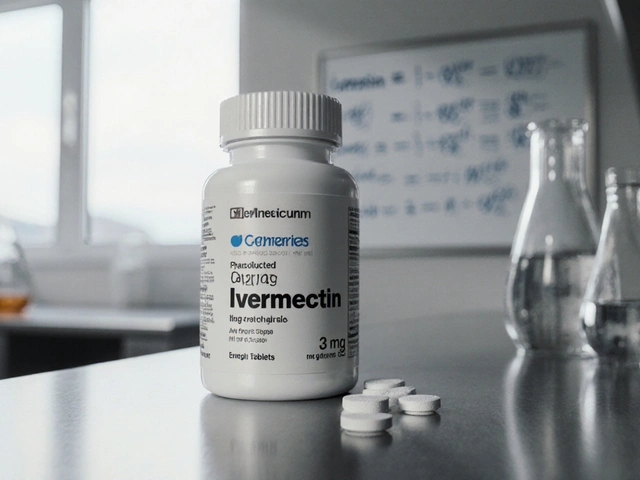
Learn how to safely purchase cheap generic ivermectin online in 2025, with price checks, pharmacy verification steps, and a detailed FAQ.