

Earwax impaction occurs when earwax builds up in the ear canal, causing symptoms like hearing loss and earaches. Learn about safe removal methods, risks of home attempts, and when to see a doctor. Professional care is safer than DIY solutions. Avoid dangerous practices like ear candling.
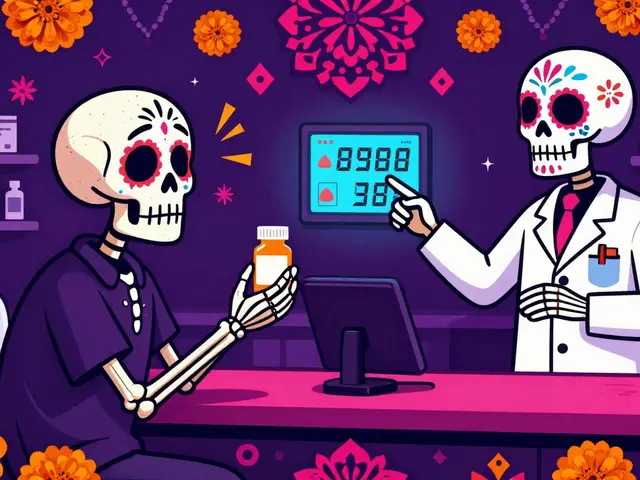
Wondering why your generic drug suddenly costs more? Learn how tiered copays and PBM rebates determine your prescription prices and how to lower your costs.
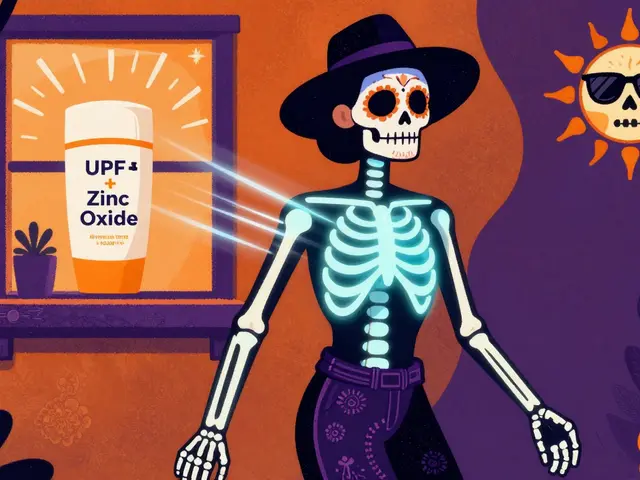
Doxycycline and TMP-SMX (Bactrim) can make your skin dangerously sensitive to sunlight, causing severe sunburns and long-term damage. Learn how to protect yourself with sunscreen, clothing, and smart habits.

Cuba's healthcare system is amidst a critical shortage of essential medicines, pushing citizens towards the black market. This crisis highlights the struggle of families like Lili's, the irony of empty pharmacies yet abundant private vendors, and the government's efforts to address the complex issue.
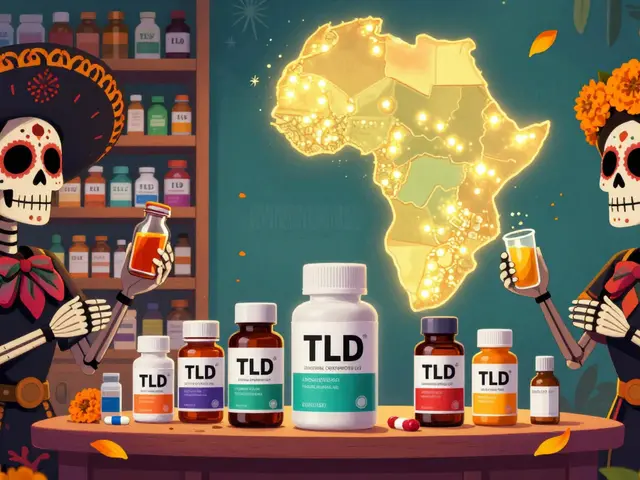
African-made antiretroviral generics are transforming HIV treatment access, with the first WHO-prequalified African-produced TLD drug delivered in 2025. Local production cuts costs, strengthens supply chains, and empowers health sovereignty.
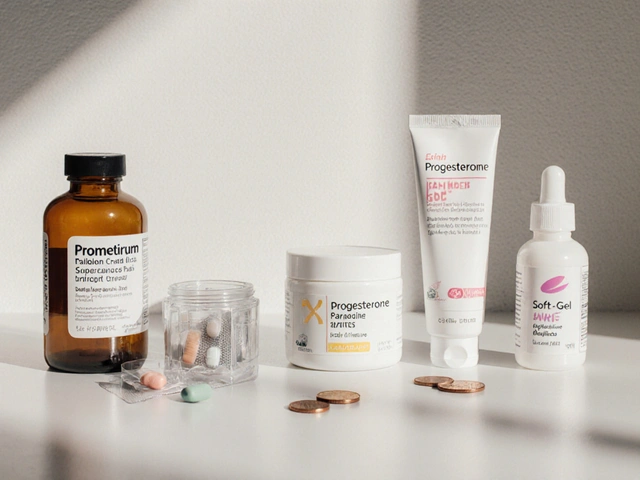
A clear, side‑by‑side comparison of Prometrium and its main alternatives, covering forms, dosing, costs, and how to choose the best progesterone option for your health needs.