
When you have diabetes medications, drugs prescribed to help manage blood sugar levels in people with type 1 or type 2 diabetes. Also known as antihyperglycemic agents, these are not one-size-fits-all — what works for one person might not work for another, and that’s by design. The goal isn’t just to lower numbers on a meter, but to keep you feeling well, avoid complications, and live without constant fear of highs or lows.
Most people with type 2 diabetes start with metformin, a first-line drug that reduces sugar production in the liver and improves how the body uses insulin. It’s cheap, well-studied, and rarely causes weight gain or low blood sugar — which is why doctors reach for it first. But if metformin isn’t enough, there are over a dozen other options. Insulin, a hormone your body either doesn’t make (type 1) or doesn’t use well (type 2). Also known as injectable glucose-lowering therapy, it’s the most powerful tool we have to bring down blood sugar fast. Some people need it early. Others only need it after years of trying pills. Then there are newer classes like DPP-4 inhibitors, oral drugs that help your body make more insulin when it’s needed and stop releasing too much sugar between meals. Also known as gliptins, they’re gentle, taken once a day, and rarely cause side effects. GLP-1 agonists, SGLT2 inhibitors, sulfonylureas — each has a different job, different risks, and different costs.
It’s not just about picking the right pill. It’s about understanding how your body reacts, what foods interfere, and which meds play well with others. You’ll find posts here that break down how diabetes medications fit into daily life — from counting carbs to avoiding dangerous interactions with alcohol or other prescriptions. Some articles show you how to use pharmacy consultations to catch hidden risks. Others compare newer drugs like Linagliptin to older ones, or explain why generics can save you hundreds without losing effectiveness. You’ll also see how these drugs connect to real concerns: weight, energy, kidney health, and even mental clarity.
There’s no magic bullet, but there is a path — and it starts with knowing what’s in your medicine cabinet. Below, you’ll find real, practical guides written for people who live with diabetes every day. No fluff. No jargon. Just what works, what doesn’t, and what you should ask your doctor next time you’re in the office.
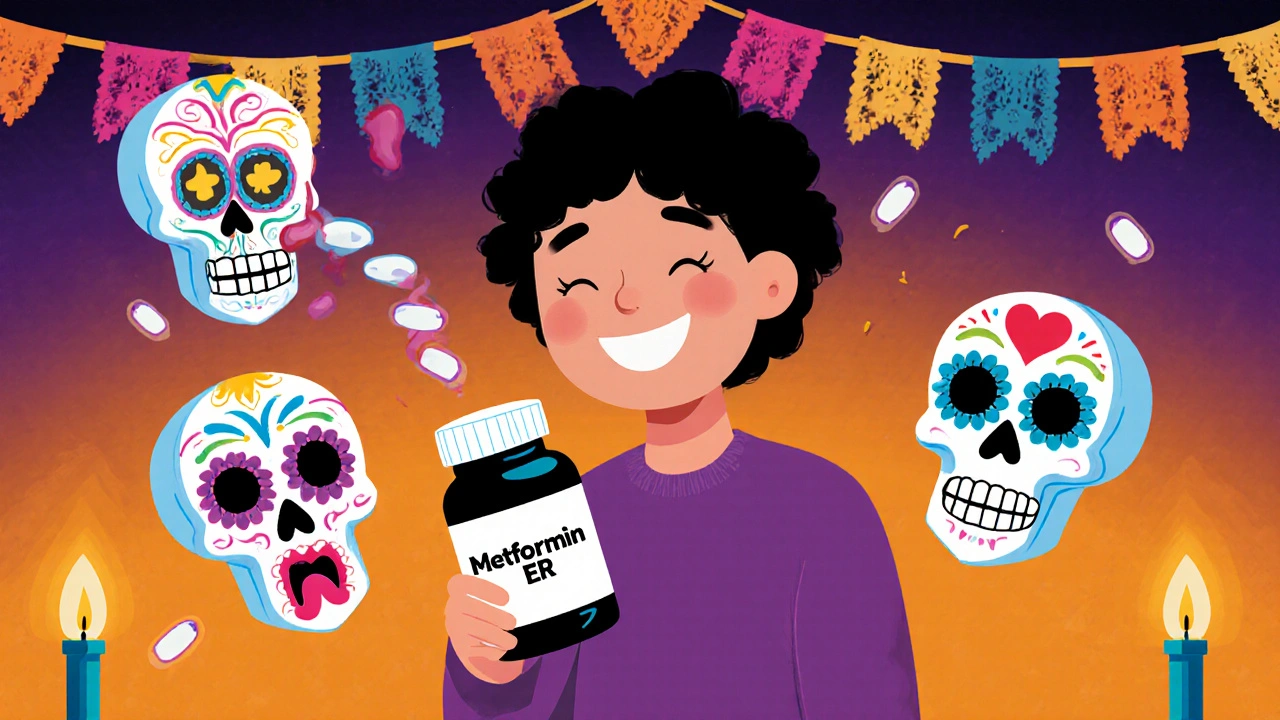
Learn how to choose diabetes medications based on side effect profiles to improve adherence, avoid dangerous reactions, and match treatment to your health goals-without sacrificing blood sugar control.
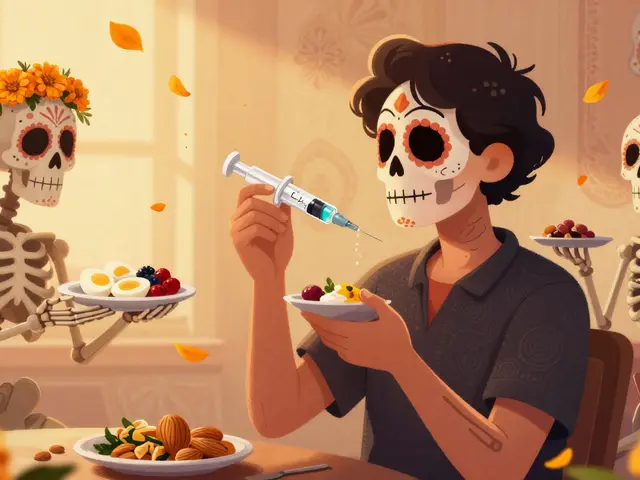
Learn how to manage nausea, vomiting, and other GI side effects from GLP-1 drugs like Ozempic and Wegovy with proven meal planning and dose titration strategies that help you stay on track and avoid quitting.

A practical comparison of Inderal (Propranolol) with top beta‑blocker alternatives, covering uses, dosing, side effects, and how to choose the right medication for your health needs.

Thyroid storm is a rare but deadly complication of untreated hyperthyroidism, requiring urgent ICU care. Learn the signs, triggers, and life-saving treatments that can turn the tide in this endocrine emergency.

Cut through the confusion of online Tofranil shopping. Here’s what you really need to know to buy antidepressants online, stay safe, and avoid scams.
Learn where to find trusted online pharmacies, compare prices, verify legitimacy, and safely purchase cheap generic clindamycin with step‑by‑step guidance.