
If your stomach feels like a balloon after meals, you’re not alone. Bloating can be uncomfortable, but most of the time you can fix it with everyday changes. Below are practical steps you can try right now.
Some foods create more gas than others. Beans, cabbage, onions, and carbonated drinks are common culprits. Try swapping them for low‑FODMAP options like carrots, zucchini, or berries. Eating smaller portions throughout the day instead of one huge meal also helps your gut digest food without building pressure.
Don’t forget to chew slowly. When you rush, you swallow air that adds to the bloat. Aim for 20–30 chews per bite; it sounds odd but it really makes a difference.
A short walk after eating moves food through your digestive tract and reduces gas buildup. Even five minutes of gentle movement can help. Staying hydrated is another key—water flushes out excess sodium that traps fluid in the belly.
If you’re stressed, your gut reacts with more bloating. Simple breathing exercises or a few minutes of meditation can calm the nervous system and ease digestive tension.
For many people, over‑the‑counter options like simethicone tablets or activated charcoal work well for occasional gas. Use them as directed, but remember they’re not a long‑term fix if you keep eating trigger foods.
When bloating persists despite these changes, it might be time to see a doctor. Chronic swelling can signal food intolerances, irritable bowel syndrome, or other conditions that need professional guidance.
In short, the fastest bloating relief comes from adjusting your plate, moving a bit after meals, and staying hydrated. Try one change at a time so you know what works best for your body. With these easy habits, you’ll feel lighter and more comfortable in no time.

Abdominal distension can turn a great day into a disaster, but probiotics might just be the underrated tool your gut needs. This article dives into how probiotics can actually help reduce bloating and swelling by changing your gut’s bacterial landscape. I'll explore specific strains, explain what real evidence says, and unpack simple habits to keep your digestion happy. You'll learn who benefits most, what mistakes to avoid, and how small changes can add up. Get ready for tips straight from the science to your everyday life.

A clear guide on using Ramipril in seniors, covering benefits, dosing, side effects, interactions, and safety tips for patients and caregivers.

A detailed side‑by‑side comparison of Zenegra (sildenafil) with Viagra, Cialis, Levitra, Stendra and generic options, covering onset, duration, cost, safety and best‑use scenarios.

Explore how tobacco use fuels pancreatic cancer, the biological mechanisms, risk statistics, and steps to protect yourself.
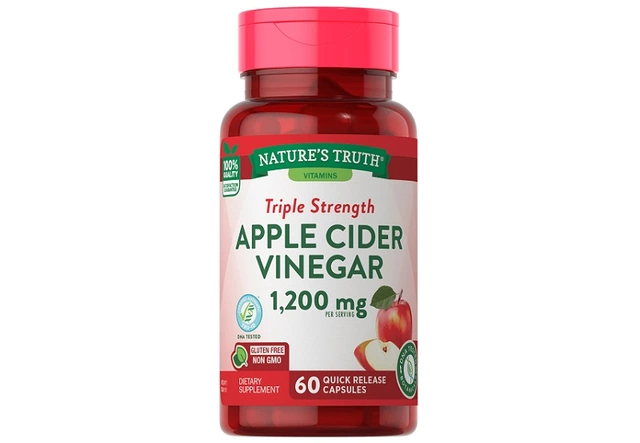
I recently discovered the incredible healing properties of Hedge-Hyssop, and I can't wait to share this new go-to dietary supplement with you all! Not only does this powerful herb support digestion and ease stomach issues, but it also helps to reduce inflammation and alleviate pain. As a natural remedy, Hedge-Hyssop has been proven to be safe and effective. I've personally experienced its benefits and highly recommend giving it a try. Incorporating Hedge-Hyssop into your daily routine could be the perfect addition to support your overall health and well-being.
A detailed side‑by‑side look at Periactin (Cyproheptadine) versus other antihistamines, covering uses, dosing, side effects, and how to pick the best option for you.