
When working with Aromasin, a steroidal aromatase inhibitor used to lower estrogen levels in hormone‑dependent breast cancer. Also known as exemestane, it helps control tumor growth by blocking the enzyme that creates estrogen.
Estrogen Estrogen, a primary female sex hormone that can fuel certain breast cancers drives the progression of many Breast Cancer, a malignant growth in breast tissue often influenced by hormonal signaling. By inhibiting the aromatase enzyme, Aromasin reduces estrogen production (Aromasin → reduces → estrogen) and therefore slows tumor growth (Reduced estrogen → slows → breast cancer). This core relationship makes aromatase inhibition a cornerstone of adjuvant therapy for post‑menopausal patients.
Typical dosing is 25 mg once daily, taken with food to improve absorption. Treatment usually lasts 5‑10 years, depending on disease stage and risk assessment. Because Aromasin is steroidal, it irreversibly binds the aromatase enzyme, leading to a more prolonged suppression than non‑steroidal counterparts. Patients often wonder about side effects: hot flashes, joint pain, and fatigue are common, while rare events include liver enzyme elevation and severe bone loss.
Bone health deserves close monitoring. Aromatase inhibition can accelerate bone density loss, so a baseline DEXA scan and periodic follow‑ups are recommended (Aromasin → requires → bone monitoring). Calcium 1,200 mg and vitamin D 800–1,000 IU daily are standard supplements, and bisphosphonates may be added for high‑risk individuals. Lifestyle factors such as weight‑bearing exercise also help mitigate bone loss.
Drug interactions matter, too. Aromasin is metabolized by CYP3A4, so strong inhibitors (e.g., ketoconazole) can raise its levels, while inducers (e.g., rifampin) may lower efficacy. Always review concurrent medications, especially herbal supplements that affect liver enzymes. Women on hormone replacement therapy should avoid combining it with Aromasin, as the opposing mechanisms can blunt treatment benefits.
Beyond breast cancer, some oncologists explore Aromasin in other estrogen‑sensitive tumors, but evidence remains limited. Clinical trials have examined its role in endometrial cancer and gynecologic sarcomas, showing modest activity. For patients seeking a broader hormonal strategy, Aromasin can be paired with selective estrogen receptor modulators (SERMs) in certain protocols, though careful monitoring is essential.
If you’re looking for reliable information on Aromasin, you’ve come to the right place. Below you’ll find articles that break down dosage charts, compare side‑effect profiles, discuss bone‑protective strategies, and explain how Aromasin fits into the larger picture of hormone‑driven cancer therapy. Dive in to get practical tips you can apply today.

A practical, side‑by‑side comparison of Aromasin (exemestane) with letrozole, anastrozole, and tamoxifen, covering mechanisms, side effects, cost, and choosing the right drug.

Licorice contains glycyrrhizin, which can raise blood pressure and lower potassium, making blood pressure meds less effective. Avoid black licorice if you're on these medications.

Earwax impaction occurs when earwax builds up in the ear canal, causing symptoms like hearing loss and earaches. Learn about safe removal methods, risks of home attempts, and when to see a doctor. Professional care is safer than DIY solutions. Avoid dangerous practices like ear candling.

A practical, side‑by‑side comparison of Aromasin (exemestane) with letrozole, anastrozole, and tamoxifen, covering mechanisms, side effects, cost, and choosing the right drug.
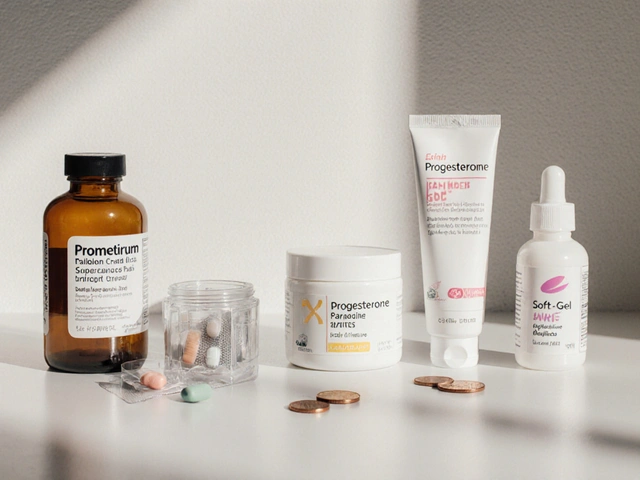
A clear, side‑by‑side comparison of Prometrium and its main alternatives, covering forms, dosing, costs, and how to choose the best progesterone option for your health needs.

A detailed side‑by‑side look at Viagra Soft (sildenafil) versus Cialis, Levitra, Stendra, generics and natural options, covering onset, duration, cost, side‑effects, and who should choose each.