
When you hear the word antidepressants, medications used to treat depression, anxiety, and some chronic pain conditions by balancing brain chemicals. Also known as mood stabilizers, they’re among the most prescribed drugs in the world—but also among the most misunderstood. They don’t make you "happy" overnight. They don’t turn you into a different person. What they do is help your brain get back to functioning more normally, so you can feel like yourself again—without the weight of sadness, dread, or numbness holding you down.
There are different kinds of antidepressants, and they work in different ways. SSRIs, selective serotonin reuptake inhibitors, a common first-line treatment that increases serotonin levels in the brain like sertraline and fluoxetine are often tried first because they tend to have fewer side effects. Then there are tricyclic antidepressants, older medications like imipramine that affect multiple brain chemicals but carry more risks, still used when newer options don’t work. And then there are others—SNRIs, MAOIs, atypical antidepressants—each with their own pros, cons, and use cases. The right one for you depends on your symptoms, your medical history, and even your genetics.
Many people take more than one psychiatric medication at a time, a practice called psychiatric polypharmacy. It’s common, but not always necessary. Sometimes, adding another drug doesn’t help—it just adds side effects like weight gain, drowsiness, or sexual problems. That’s why knowing how your antidepressant interacts with other meds, alcohol, or even supplements matters. You might be surprised to learn that some over-the-counter painkillers or herbal teas can interfere with how your antidepressant works. And if you’ve ever felt like your medication stopped working after months or years, you’re not alone. That’s called tachyphylaxis, and it happens more often than doctors admit.
Side effects aren’t just annoying—they can be deal-breakers. Some people quit because they gain weight. Others can’t sleep. A few can’t have sex. And for some, the first few weeks are worse than the depression itself. That’s why starting low and going slow matters. It’s also why talking to your pharmacist or doctor about alternatives isn’t weakness—it’s smart management.
Antidepressants aren’t magic pills. They’re tools. And like any tool, they work best when you understand how to use them. That’s what this collection is for. Below, you’ll find real, practical guides on how antidepressants interact with other drugs, why some people need to switch meds, how to spot dangerous combinations, and what to do when your current treatment isn’t working. You’ll see how imipramine, one of the first antidepressants ever made, still plays a role today. You’ll learn about bupropion, which doesn’t cause sexual side effects like many others. And you’ll find out why mixing antidepressants with alcohol can be deadly.
Whether you’re taking one of these meds, helping someone who is, or just trying to make sense of the noise around mental health treatment—this isn’t about theory. It’s about what actually works, what doesn’t, and how to stay safe while doing it.
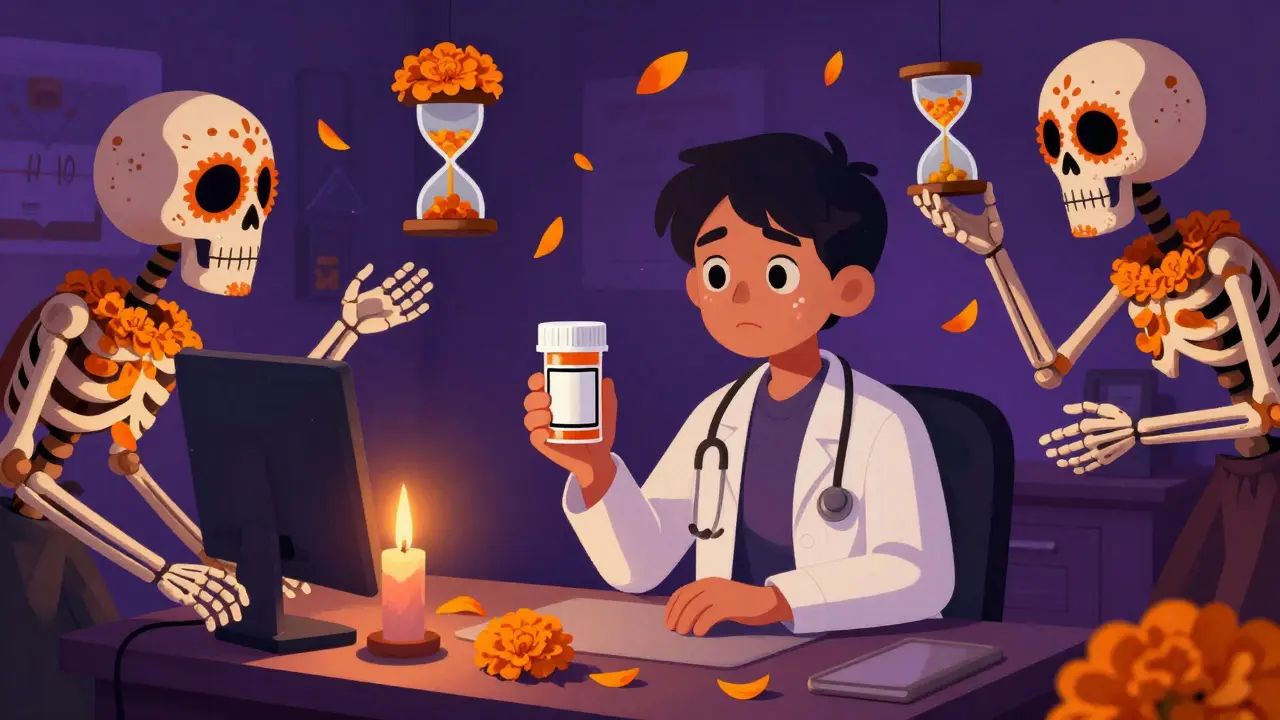
The FDA's black box warning on antidepressants warns of increased suicidal thoughts in young people - but the real danger may be avoiding treatment altogether. Here's what the data really shows.
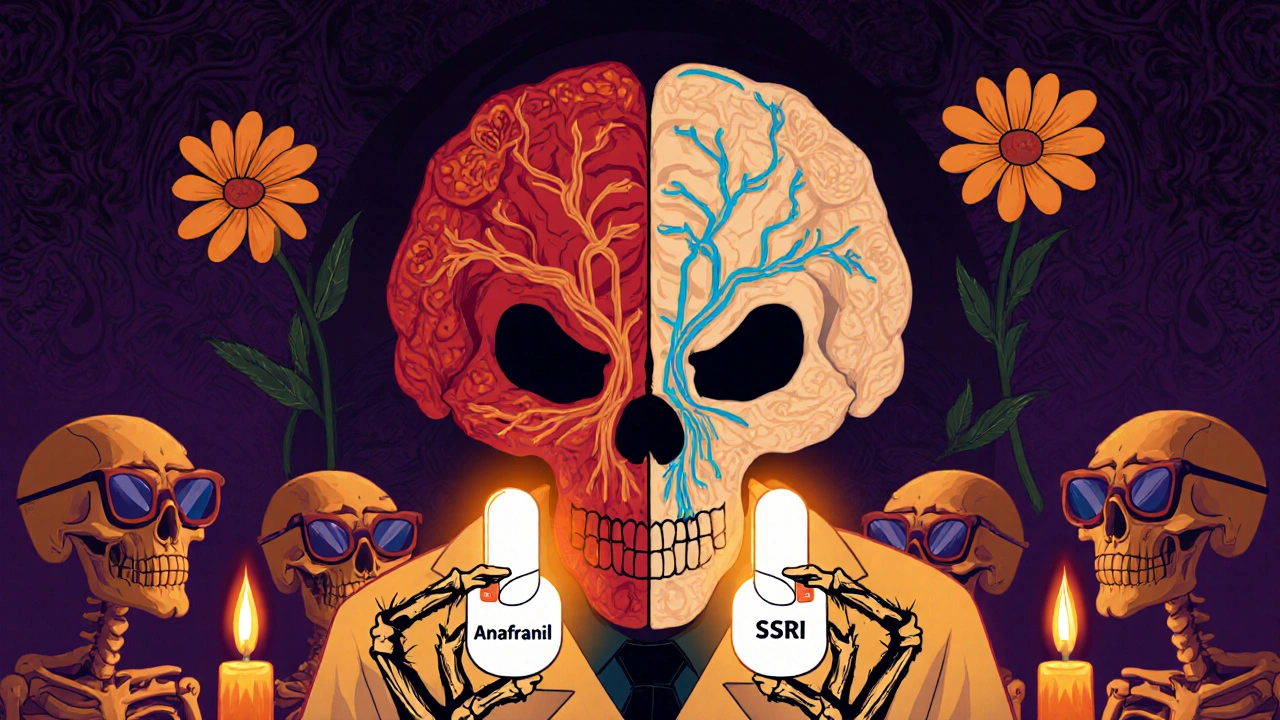
Anafranil (clomipramine) is effective for OCD but has tough side effects. Discover how SSRIs like Zoloft and Prozac compare as safer, nearly as effective alternatives - and when Anafranil might still be the best choice.
Digital therapeutics are FDA-cleared apps that help patients take medications correctly. In 2026, they're changing how chronic conditions are managed - but they also raise new questions about how software interacts with pills.
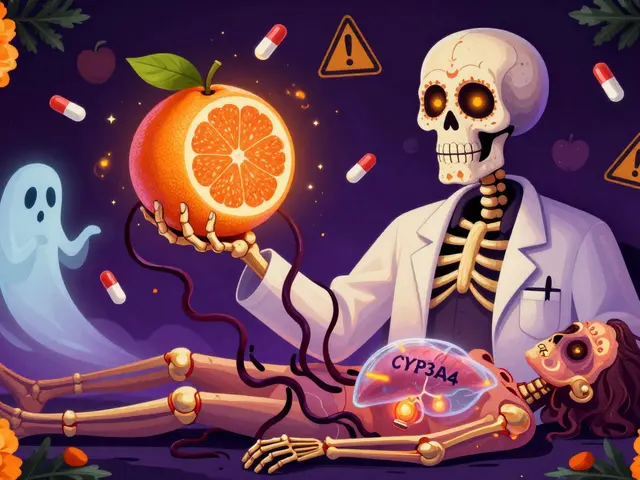
Grapefruit can dangerously increase statin levels in your blood, raising the risk of muscle damage and kidney failure. Learn which statins are affected, how to stay safe, and what to do if you love grapefruit.

Zyrtec is one of the top choices for fast allergy relief, but there's much more to it than just popping a pill. This article explores how Zyrtec works, tips for safer use, how it compares to other allergy medicines, and surprising facts you probably didn't know. Discover detailed advice and smart hacks to help make your allergy season a breeze.
Using two patient identifiers in the pharmacy prevents deadly medication errors by ensuring the right person gets the right drug. Learn how barcode systems, documentation, and disciplined verification save lives.

Learn how specific nutrients, foods, and diet patterns can help prevent hair loss, with practical meal plans, a nutrient checklist, and expert FAQs.