
When people think of antibiotics, medications designed to kill or stop the growth of bacteria. Also known as antibacterial agents, they’re one of the most important tools in modern medicine—but also one of the most misunderstood. Many believe antibiotics can cure a cold, flu, or sore throat, but that’s not true. These illnesses are caused by viruses, not bacteria. Giving antibiotics for viral infections doesn’t help, and it actually makes things worse over time.
One of the biggest antibiotic resistance, when bacteria evolve to survive drug exposure, making treatments ineffective happens because people stop taking antibiotics early when they feel better. That’s a myth. Even if you feel fine, some bacteria are still alive. If you don’t finish the full course, those surviving bacteria multiply and pass on their resistance. This isn’t just a personal risk—it’s a public health crisis. The CDC says at least 2.8 million antibiotic-resistant infections happen in the U.S. each year, and more than 35,000 people die from them. That’s not a statistic from a sci-fi movie. It’s happening now.
Another myth? That antibiotics are harmless if you take them "just in case." They’re not. Antibiotics can cause serious side effects like severe diarrhea, yeast infections, and allergic reactions. Some people even develop life-threatening conditions like C. diff colitis after taking them unnecessarily. And if you take antibiotics too often, they may stop working when you really need them—like during a serious infection or surgery.
Then there’s the idea that if a doctor doesn’t prescribe antibiotics, they’re not taking you seriously. That’s false. Good doctors know when antibiotics help and when they don’t. If you have a sinus infection, bronchitis, or earache, your doctor might wait a few days to see if your body clears it on its own. That’s not neglect—it’s science. Most of these infections get better without drugs. Pushing for antibiotics only feeds resistance.
And what about leftover antibiotics? Don’t save them for next time. That’s another dangerous myth. Old antibiotics may be expired, the wrong type, or the wrong dose for your new illness. Taking them can mask symptoms, delay real treatment, and increase resistance. Always dispose of unused meds properly.
Antibiotics are powerful—but they’re not magic. They don’t work on viruses, they don’t speed up recovery from colds, and they shouldn’t be used as a preventive measure. The real power lies in using them only when necessary, exactly as prescribed, and never sharing them. The next time someone says "I took antibiotics for my flu," correct them gently. It’s not just about you—it’s about keeping these drugs effective for everyone.
Below, you’ll find real, evidence-based articles that break down exactly how antibiotics work, what they can and can’t do, and how to protect yourself and your family from the growing threat of resistance. No fluff. No fearmongering. Just clear facts you can use.
Debunking common medication safety myths with facts backed by CDC, FDA, and pharmacy data to help patients avoid dangerous errors and take their meds safely.
Learn how to safely purchase cheap generic ivermectin online in 2025, with price checks, pharmacy verification steps, and a detailed FAQ.
A clear guide on using Ramipril in seniors, covering benefits, dosing, side effects, interactions, and safety tips for patients and caregivers.
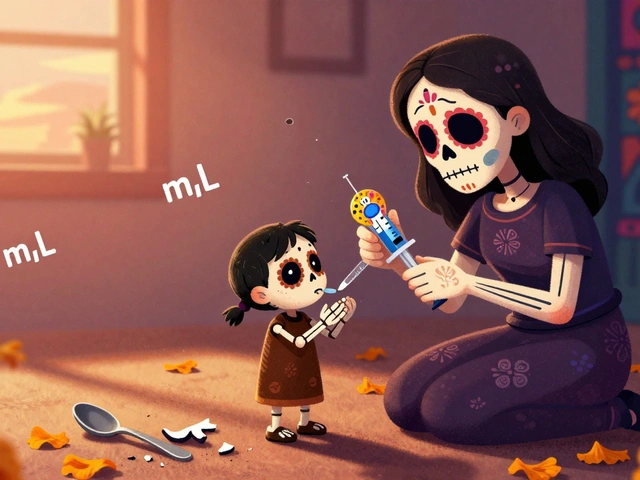
Using household spoons to dose children's medicine is dangerous and inaccurate. Learn why oral syringes and milliliter measurements are the only safe choice for kids' liquid medications.

Hello there! In today's post, we're discussing a vital topic, which is the role of Alfacalcidol in preventing Rickets in children. It's crucial for us, as parents, to understand what exactly Alfacalcidol is and how it plays an integral role in strengthening our children's health. I'll be providing information about this amazing form of Vitamin D and highlighting how its timely administration can contribute significantly towards the prevention of rickets. Stay tuned for an insightful read!

Cutaneous lupus causes skin rashes triggered by UV light. Learn how sunlight activates immune responses, what protective measures actually work, and the latest treatments to prevent flares and protect your skin.