
When you hear Anafranil, a tricyclic antidepressant originally developed in the 1960s and still used today for obsessive-compulsive disorder and depression. Also known as clomipramine, it works by balancing serotonin and norepinephrine in the brain—two chemicals tied to mood and compulsive behaviors. Unlike newer SSRIs, Anafranil hits multiple neurotransmitters at once, which makes it powerful but also more likely to cause side effects like dry mouth, drowsiness, or dizziness.
It’s not a first-line choice for depression anymore, but for obsessive-compulsive disorder, a mental health condition marked by unwanted thoughts and repetitive behaviors, Anafranil remains one of the most studied and effective options. Studies show it can reduce OCD symptoms by 40-60% in people who don’t respond to SSRIs. It’s also sometimes used off-label for panic disorder, chronic pain, or even bedwetting in kids. But it’s not for everyone—people with heart problems, glaucoma, or a history of seizures need to be extra careful.
Many people wonder how Anafranil stacks up against other tricyclic antidepressants, a class of older antidepressants including imipramine, amitriptyline, and nortriptyline. Compared to those, Anafranil has the strongest effect on serotonin, which is why it’s preferred for OCD. But it also carries a higher risk of weight gain, constipation, and blurred vision. If you’re switching from an SSRI like Prozac or Zoloft, your doctor will likely taper you slowly to avoid withdrawal or serotonin overload.
You’ll also find posts here about how Anafranil interacts with other meds—like alcohol, painkillers, or even over-the-counter cold remedies. Mixing it with certain drugs can cause dangerous spikes in heart rhythm or blood pressure. And because it’s an older medication, generic versions are widely available, but inactive ingredients can vary. If you’ve had allergic reactions to other pills, check the fillers in your batch.
There’s no magic fix for mental health, but for some, Anafranil is the piece that finally fits. It’s not glamorous, and it’s not easy to tolerate at first, but thousands of people have found relief when other treatments failed. Below, you’ll find real-world comparisons, safety tips, and stories from people who’ve lived with it—whether they’re managing OCD, depression, or something in between. No fluff. Just what you need to know before you start, switch, or stop.
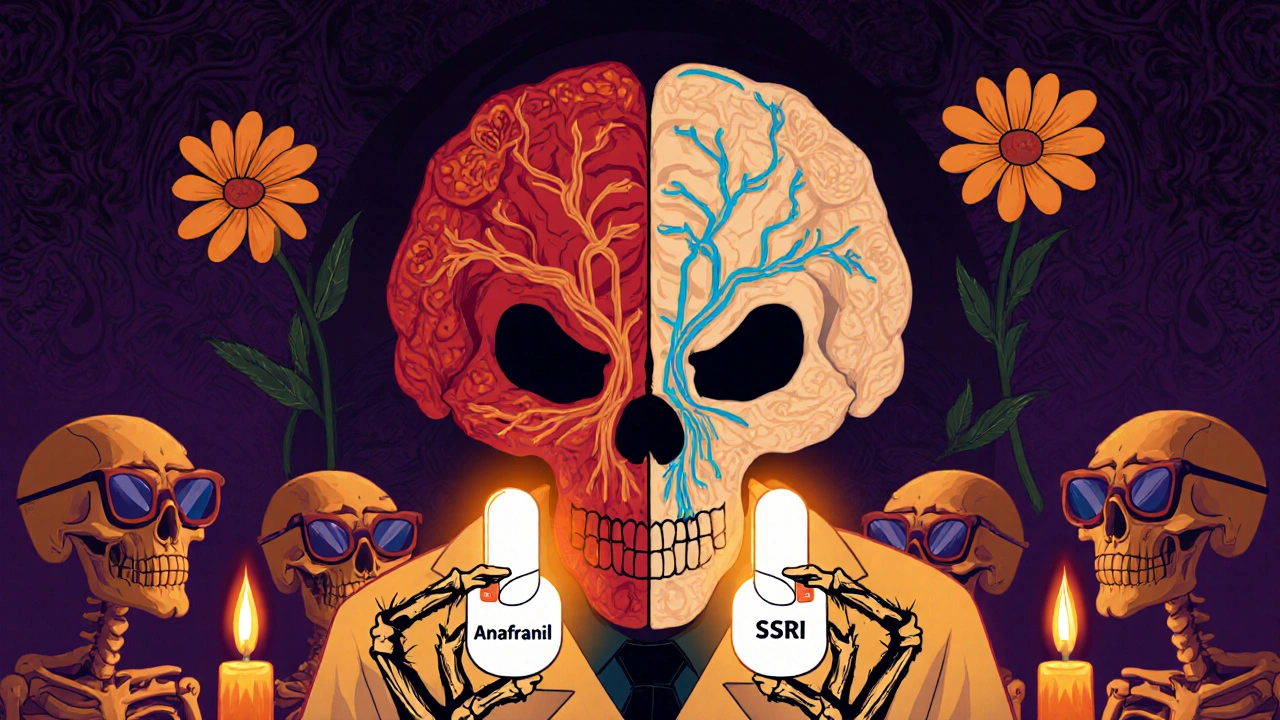
Anafranil (clomipramine) is effective for OCD but has tough side effects. Discover how SSRIs like Zoloft and Prozac compare as safer, nearly as effective alternatives - and when Anafranil might still be the best choice.
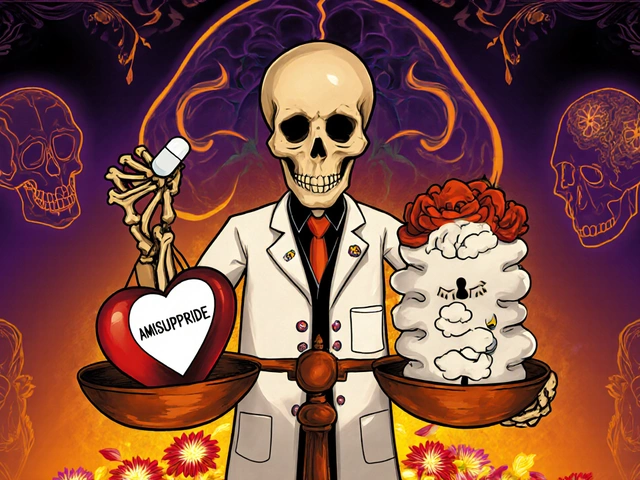
Solian (amisulpride) is an antipsychotic with unique benefits for negative schizophrenia symptoms and low weight gain risk. Compare its side effects, effectiveness, and cost to risperidone, olanzapine, aripiprazole, and other alternatives.

Learn how to manage panic attacks with proven breathing, grounding, and medication strategies. This action plan helps reduce frequency, shorten episodes, and regain control during panic moments.

Hi there, it's your friendly family doctor, here to let you in on some fantastic coupon codes for our online drug store, familydoctor.org. This is a golden opportunity to grab those everyday essential medications and vital prescriptions, without breaking your bank. Don't miss out on these tempting deals that intend to make healthcare easier on your pocket. So, why delay? Come, uncover these discount codes and take a healthy step towards savings!

Learn how alcohol affects allopurinol therapy for gout, understand risks, get safety tips, and discover alternatives for a healthier lifestyle.

A practical, side‑by‑side comparison of Aromasin (exemestane) with letrozole, anastrozole, and tamoxifen, covering mechanisms, side effects, cost, and choosing the right drug.