
When you hear adalimumab, a biologic medication that blocks a key inflammation protein called TNF-alpha. Also known as Humira, it's one of the most prescribed drugs for autoimmune conditions. Unlike regular pills, adalimumab is injected under the skin and works by stopping your immune system from attacking your own joints, skin, or intestines. It doesn’t cure these diseases—but for millions, it stops them from getting worse.
Adalimumab belongs to a class called TNF inhibitors, drugs designed to block tumor necrosis factor, a protein that drives inflammation in autoimmune disorders. It’s used for conditions like rheumatoid arthritis, a disease where the immune system attacks joint lining, causing pain and damage, psoriasis, a skin condition marked by red, scaly patches, Crohn’s disease, and ulcerative colitis. These aren’t rare illnesses—over 10 million Americans live with one of these conditions. And for many, adalimumab is the reason they can walk without pain, work without fatigue, or sleep through the night.
But it’s not magic. It takes weeks to start working. Some people never respond. Others lose effectiveness over time. Side effects like infections, injection site reactions, or rare nerve issues can happen. That’s why doctors monitor patients closely. It’s also why alternatives exist—other biologics, oral meds, or even lifestyle changes that reduce inflammation. The posts below cover real-world experiences: how people manage the cost, what happens when generics enter the market, how to spot misleading safety reports, and how switching medications affects daily life. You’ll find advice on dealing with side effects, understanding drug interactions, and knowing when to ask for a different treatment. This isn’t just about one drug. It’s about how people live with chronic illness, make smart choices, and protect their health over the long haul.

Hidradenitis suppurativa causes painful, recurring nodules that can lead to scarring and chronic pain. Biologic therapies like adalimumab, secukinumab, and bimekizumab now offer real relief by targeting inflammation at its source-changing the lives of thousands.

Second and third generic drug manufacturers drive prescription prices down dramatically-often cutting costs by 50% or more. Learn how competition among generics saves billions and what keeps prices high despite more options.
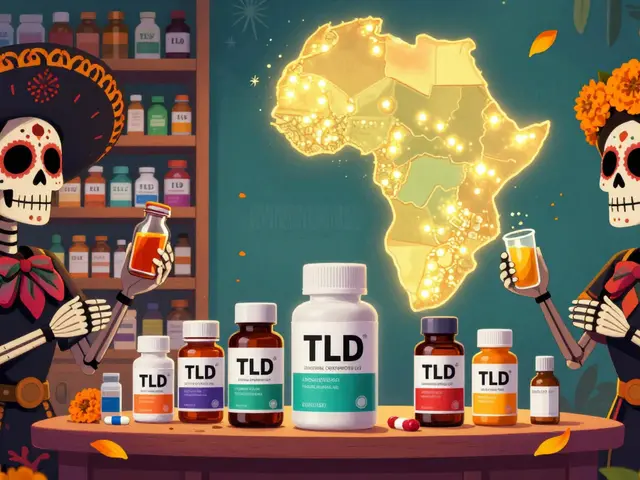
African-made antiretroviral generics are transforming HIV treatment access, with the first WHO-prequalified African-produced TLD drug delivered in 2025. Local production cuts costs, strengthens supply chains, and empowers health sovereignty.

Learn how to master medication adherence using everything from simple paper logs to advanced IoT pillboxes. Improve your health outcomes with accurate tracking.
Learn how to choose diabetes medications based on side effect profiles to improve adherence, avoid dangerous reactions, and match treatment to your health goals-without sacrificing blood sugar control.

A deep dive into online pharmacy roidbazaar.to: how it works, what to look out for, tips on safe ordering, and what real users should know before buying.