
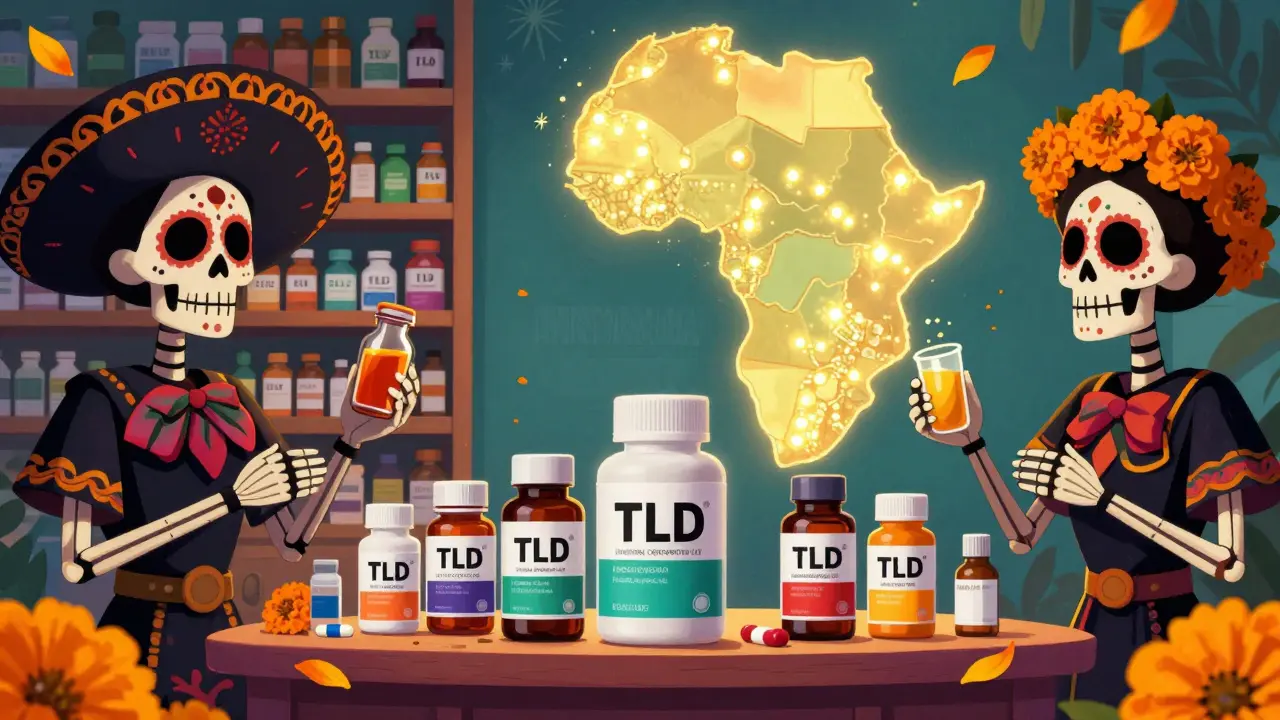
African-made antiretroviral generics are transforming HIV treatment access, with the first WHO-prequalified African-produced TLD drug delivered in 2025. Local production cuts costs, strengthens supply chains, and empowers health sovereignty.
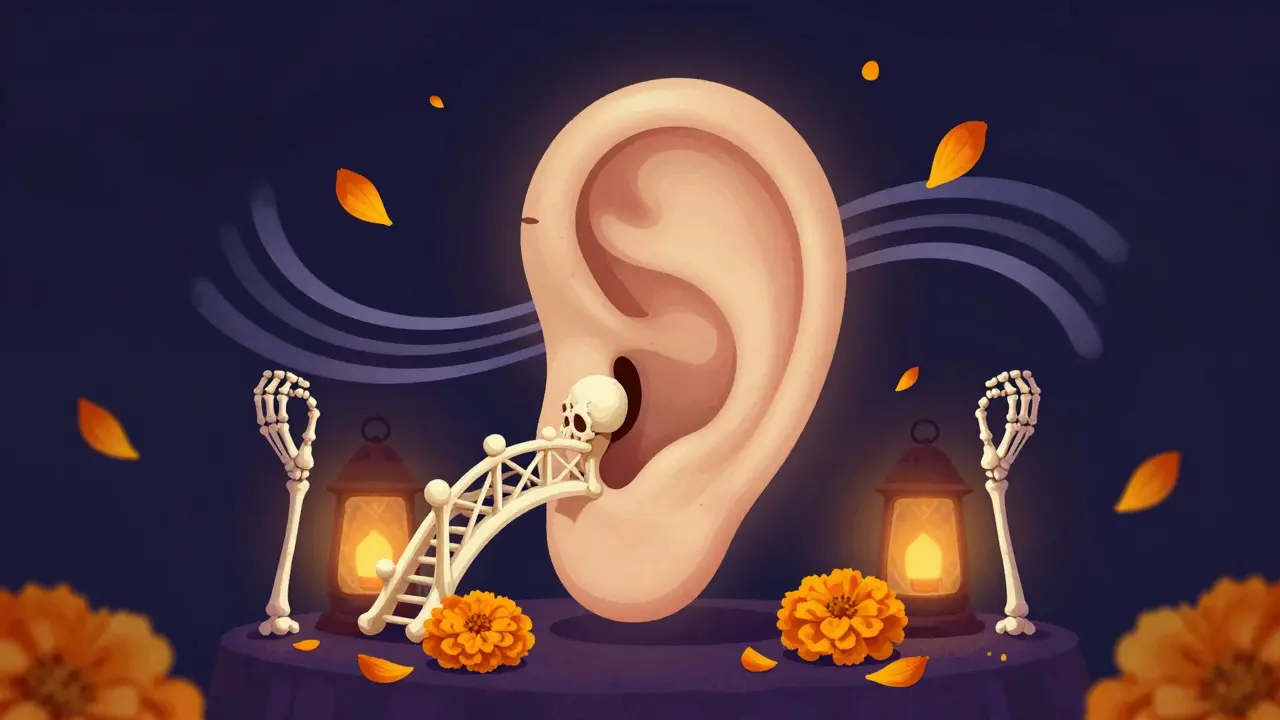
Otosclerosis is a common cause of hearing loss in adults under 50, caused by abnormal bone growth around the stapes. It leads to progressive conductive hearing loss, especially in low tones, but can be effectively treated with hearing aids or surgery.
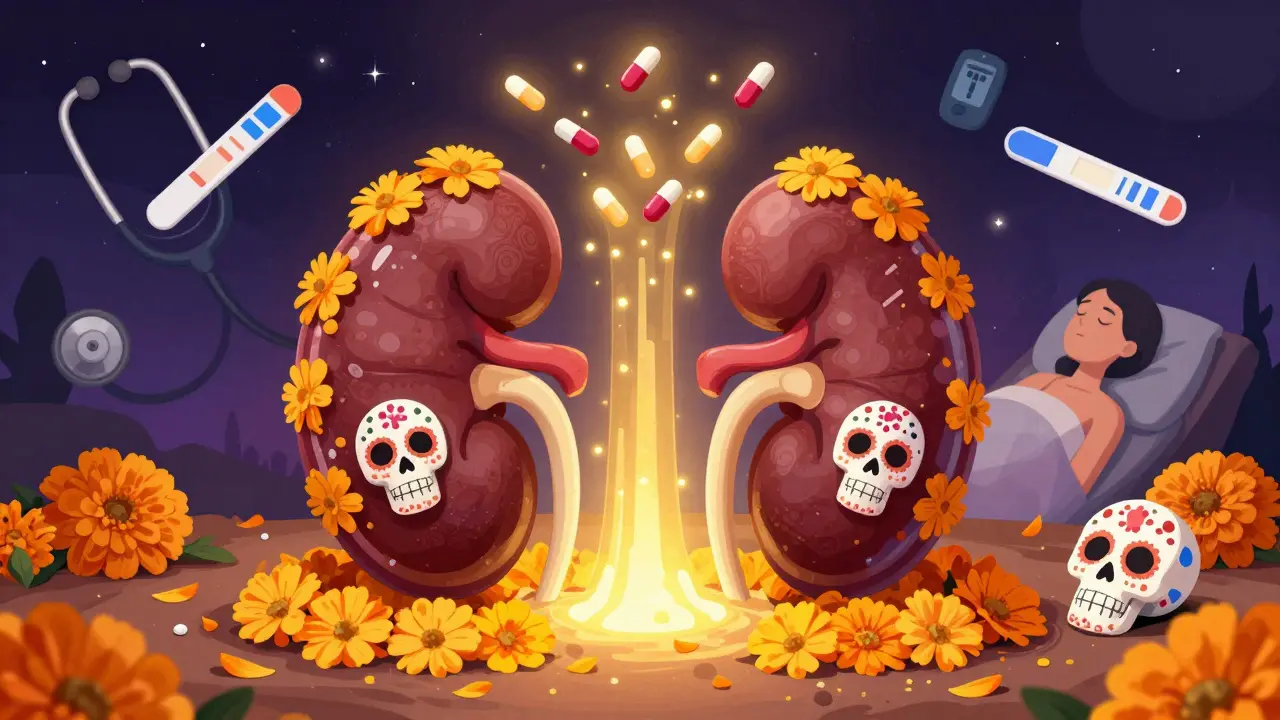
ACE inhibitors and ARBs are the cornerstone of treatment for diabetic nephropathy, reducing proteinuria and slowing kidney damage. Maximal dosing is key-low doses offer little protection. Learn when to use them, when to avoid combinations, and how to handle creatinine changes.
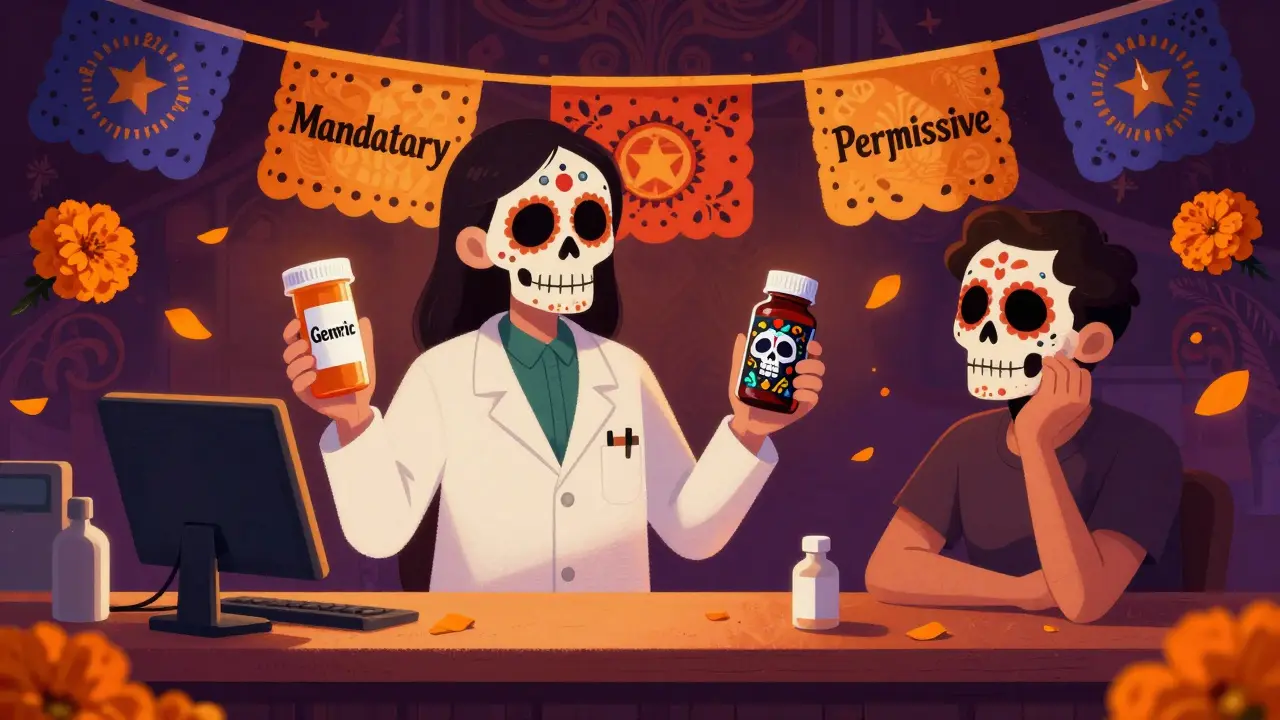
State laws on generic drug substitution vary widely across the U.S., affecting cost, safety, and pharmacist workload. Learn how mandatory vs. permissive rules, patient consent, biologic restrictions, and liability protections differ by state-and what it means for you.

Imagery Rehearsal Therapy (IRT) is the most effective non-drug treatment for PTSD-related nightmares. Learn how rewriting your nightmares before sleep can break the cycle of trauma, improve sleep, and reduce PTSD symptoms-backed by clinical research.
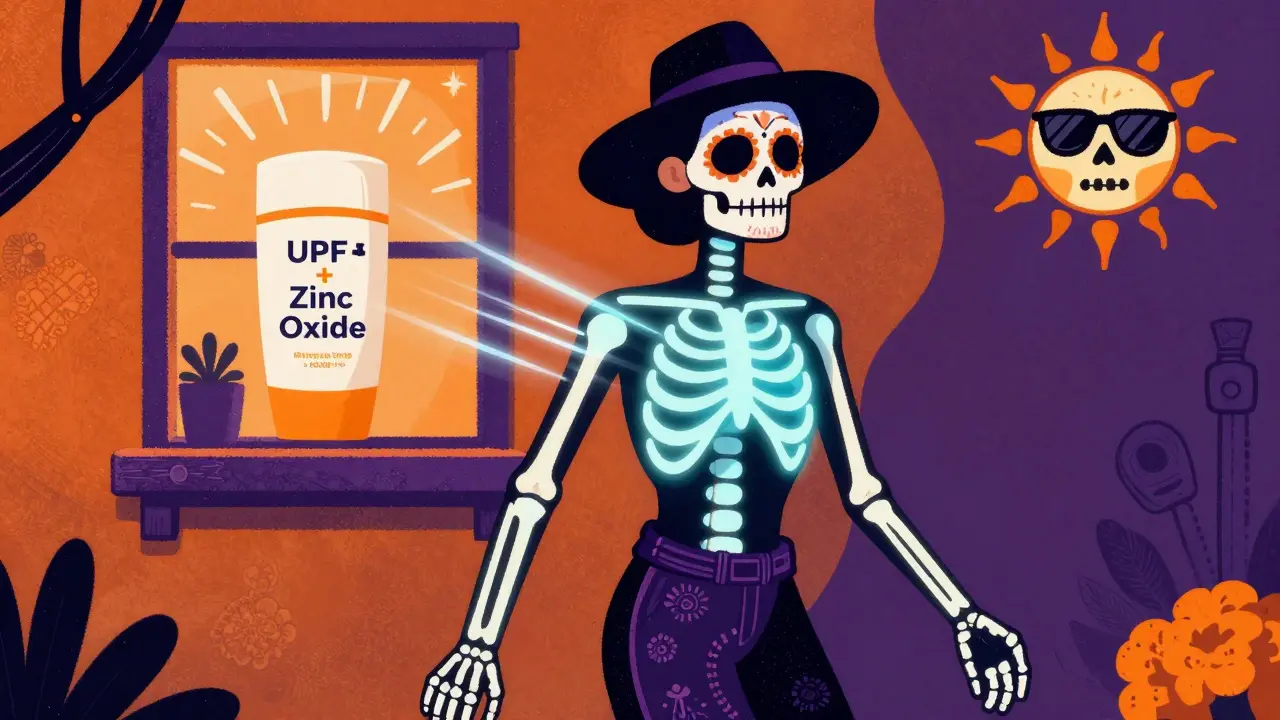
Doxycycline and TMP-SMX (Bactrim) can make your skin dangerously sensitive to sunlight, causing severe sunburns and long-term damage. Learn how to protect yourself with sunscreen, clothing, and smart habits.
The FDA's black box warning on antidepressants warns of increased suicidal thoughts in young people - but the real danger may be avoiding treatment altogether. Here's what the data really shows.
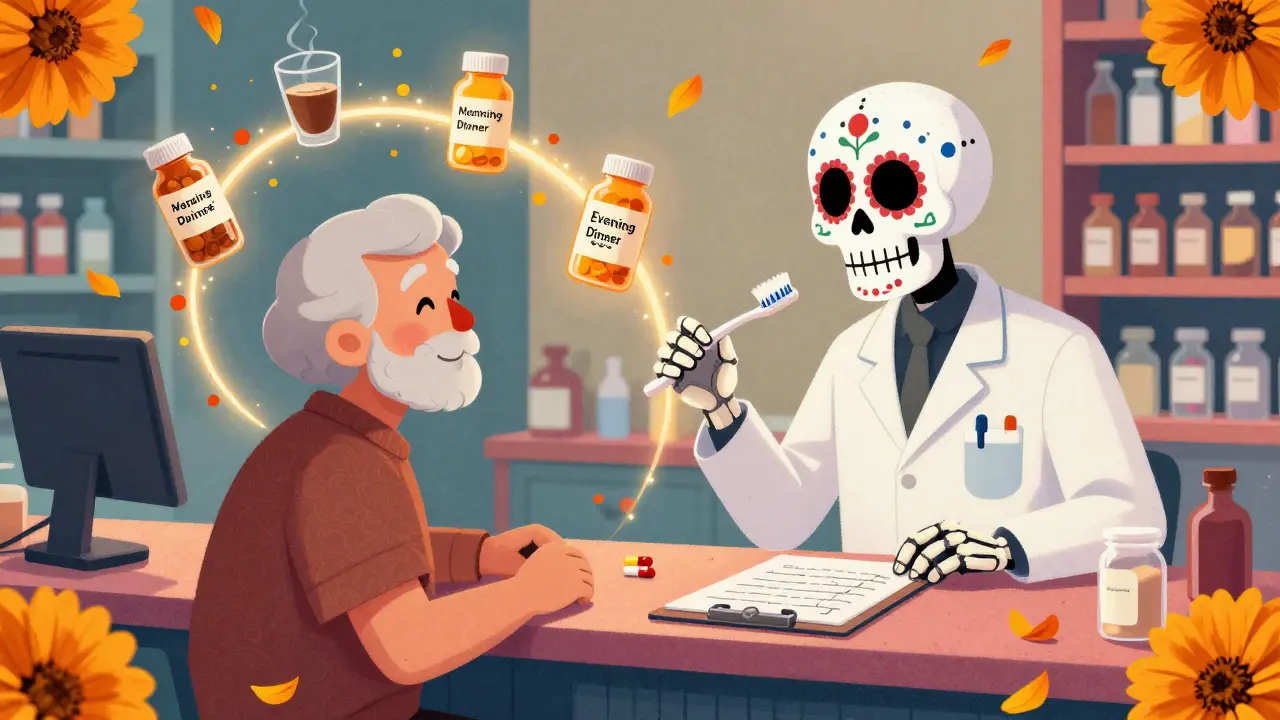
Learn how to build a personalized medication action plan with your care team to improve adherence, avoid side effects, and reduce hospital visits. A clear, simple plan makes managing multiple meds easier and safer.
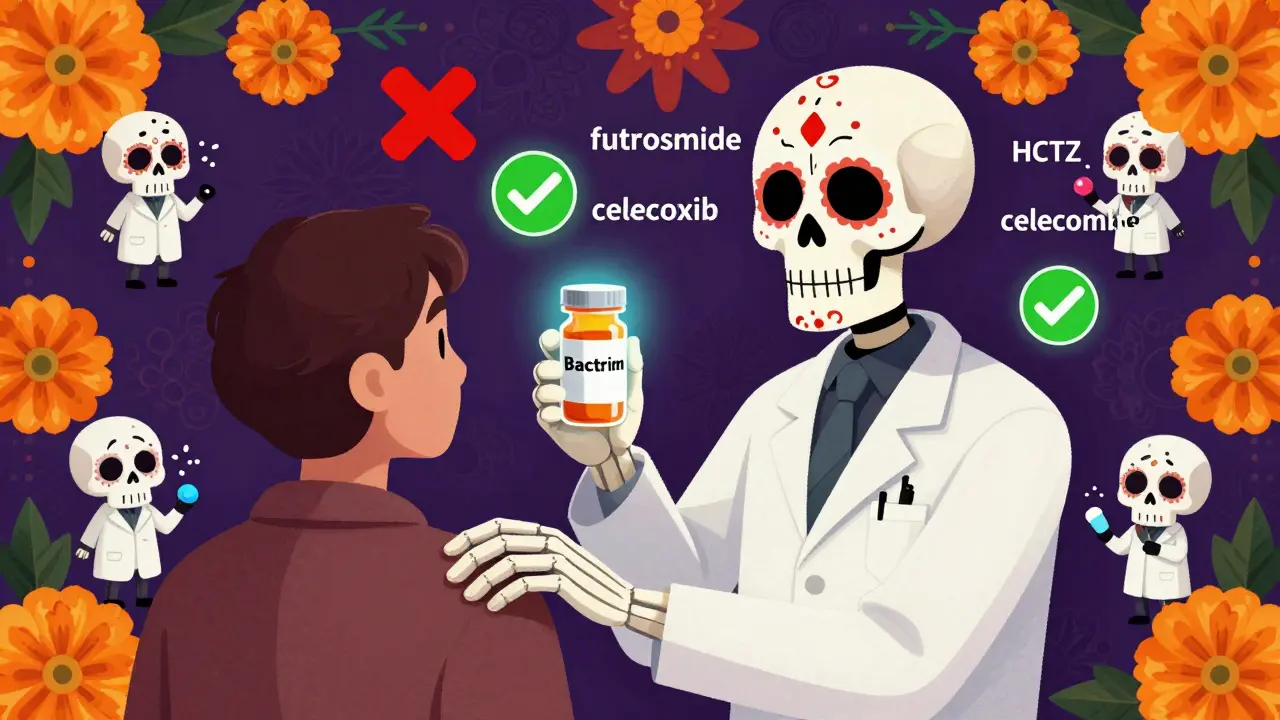
Many people wrongly avoid safe medications like blood pressure pills due to a misunderstood sulfa allergy. Learn the real risks, which drugs are truly dangerous, and how to fix your medical records.
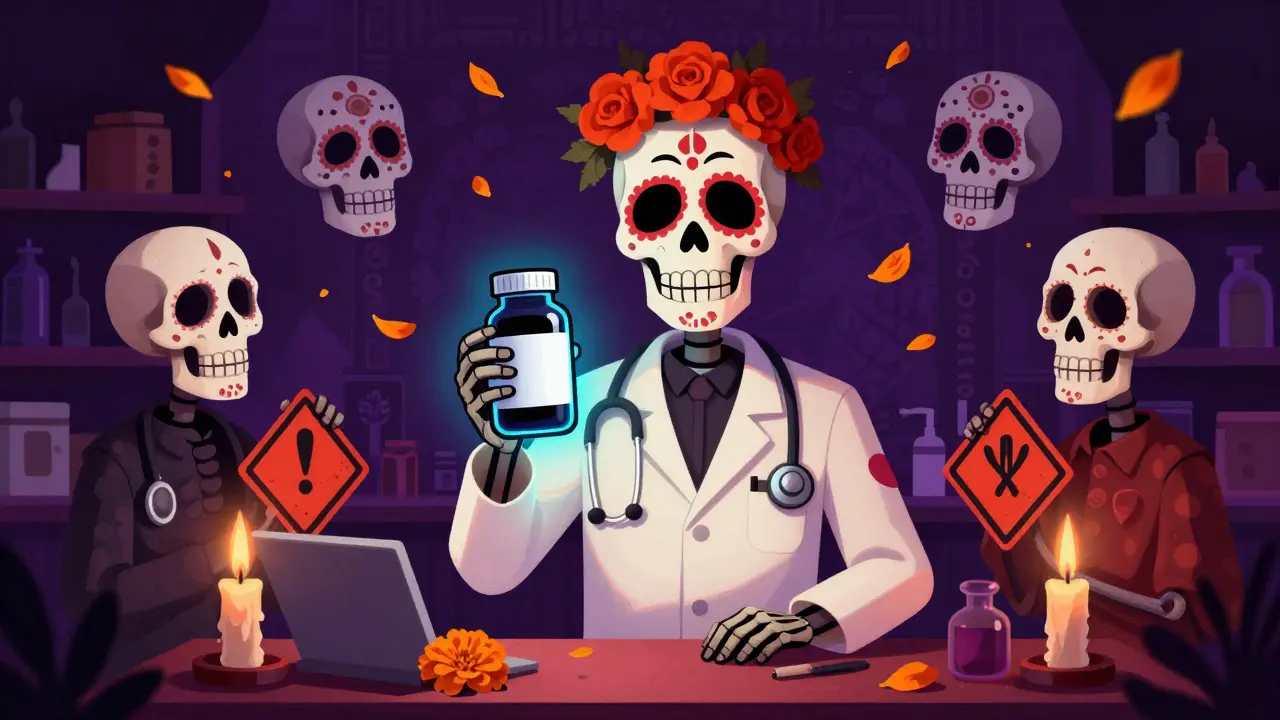
FDA black box warnings are the strongest safety alerts for prescription drugs, signaling risks of death or serious injury. Learn what they mean, how they're issued, and what to do if your medication has one.

Cut through the confusion of online Tofranil shopping. Here’s what you really need to know to buy antidepressants online, stay safe, and avoid scams.
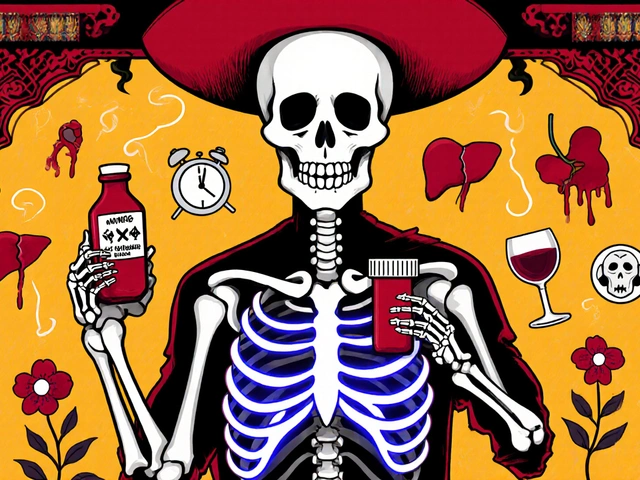
Alcohol and prescription drugs can interact dangerously, causing overdose, liver damage, or death. Learn which meds are most risky, who's most vulnerable, and how to stay safe.
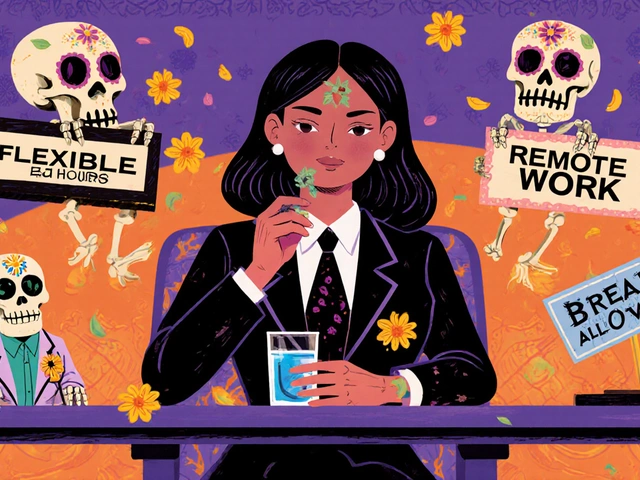
If you're taking atazanavir for HIV, you have legal rights at work. Learn what accommodations you can request, how to ask for them, and how to protect yourself from discrimination-all without revealing your diagnosis.
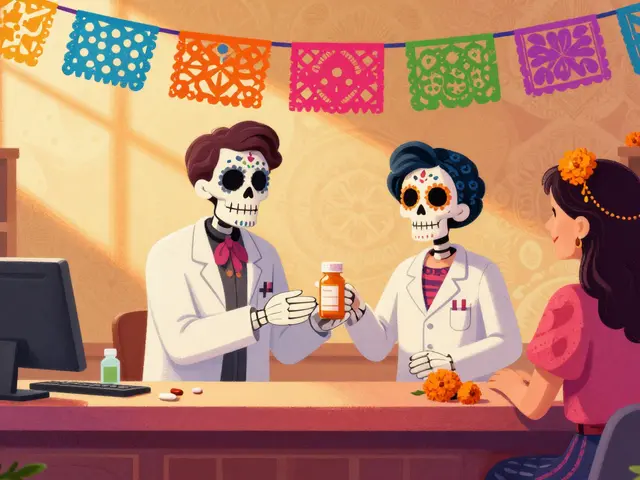
Learn how to identify legitimate generic drugs at the pharmacy by checking labels, verifying pharmacies, spotting counterfeit signs, and using lot numbers to confirm safety. Save money without risking your health.
Albendazole resistance is rising in many parts of the world due to overuse and underdosing. Learn why it happens, how it spreads, and what combinations and practices actually work when the drug fails.