
When you take a pill, you’re not just swallowing the active drug—you’re also consuming excipients, non-active ingredients added to medicines to help with stability, absorption, or ease of swallowing. Also known as inactive ingredients, these substances are the backbone of every tablet, capsule, or liquid medication you use. They don’t treat your condition, but without them, most drugs wouldn’t reach your bloodstream properly—or even stay on the shelf long enough to be useful.
Think of excipients as the unsung heroes of pharmacy. They hold pills together, make them dissolve at the right time, prevent clumping, improve taste, and even protect the active ingredient from stomach acid. Common types include lactose, a sugar used as a filler in many tablets, microcrystalline cellulose, a plant-based binder that gives pills their shape, and magnesium stearate, a lubricant that keeps machines running smoothly during manufacturing. These aren’t random chemicals—they’re carefully chosen based on how the drug behaves in your body. But here’s the catch: some people react to them. Lactose can cause bloating in those who are intolerant. Dyes might trigger allergies. Even tiny amounts of gluten in fillers can hurt someone with celiac disease.
That’s why knowing what’s in your meds matters. Your doctor doesn’t always talk about excipients because they’re not the part that treats your illness. But if you’ve ever had an unexpected reaction after starting a new pill—even if it’s a generic version of a drug you’ve taken before—it could be the excipients that changed. Generic drugs use the same active ingredient, but different manufacturers use different fillers and coatings. A switch from one brand to another might seem harmless, but if your body doesn’t tolerate the new binder or coating, you might feel off, even if your lab results look fine.
The same logic applies to liquid medications, patches, and even supplements. Some contain alcohol, artificial sweeteners, or preservatives that can interfere with other drugs or worsen conditions like diabetes or liver disease. You don’t need to memorize every ingredient on the label—but if you’ve had unexplained side effects, ask your pharmacist: "What’s in this besides the active drug?" They can check the formulation and help you avoid hidden triggers.
What you’ll find in the posts below are real-world examples of how excipients quietly shape your treatment. From how fillers affect drug absorption in diabetes meds, to why some people react to dyes in antidepressants, to how generic versions can differ in ways you’d never guess—these aren’t theoretical discussions. They’re stories from patients and providers who’ve seen the impact firsthand. You’ll learn how to spot red flags, ask better questions, and take control of what really goes into your body—not just what’s listed as the "medicine."
Generic medications save money but may contain different inactive ingredients that can trigger reactions in sensitive individuals. Learn what's really in your pills and how to protect yourself.

A clear look at Red Viagra - what it contains, how it claims to help, potential risks, and safer options for men seeking erectile support.

Spinal cord injury causes loss of movement and sensation below the injury site. Effective rehab begins immediately, using therapy, assistive devices, and technology to restore function and independence. Learn how exoskeletons, FES bikes, and brain-computer interfaces are changing recovery.
This in-depth article takes a close look at natural desiccated thyroid (NDT) and levothyroxine, two major treatments for hypothyroidism. It breaks down dosing differences, reviews real-life satisfaction among patients, and discusses who's most likely to benefit from each type. If you're wondering which thyroid medication may fit your needs—or you're simply curious about how these options stack up—read on for a straightforward, fact-packed comparison.

As a blogger, I've recently come across the topic of the role of Clozapine in the management of psychotic depression. Clozapine, an atypical antipsychotic medication, is used to treat severe cases of this mental health disorder when other treatments have failed. Its unique properties help in alleviating both psychotic symptoms and depressive episodes. However, it's essential to be aware of the potential side effects and monitor blood levels closely while administering this medication. In conclusion, Clozapine plays a crucial role in managing psychotic depression, improving the quality of life for those who suffer from this challenging condition.
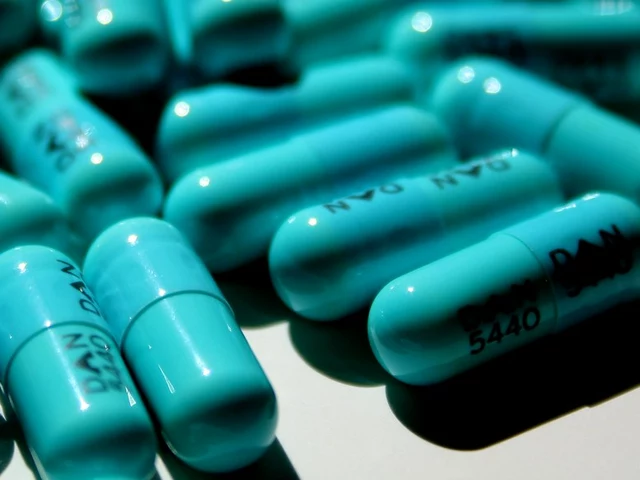
In my recent research, I've discovered that Tetracycline, a type of antibiotic, is remarkably effective in treating cholera. This disease, commonly spread through contaminated water, can be devastating but Tetracycline helps to reduce both the severity and duration of symptoms. It works by inhibiting the bacteria's protein synthesis, helping to prevent the disease from progressing. It's great to know that this antibiotic can be a game-changer in cholera-ridden areas. However, it's important to remember that prevention, through clean water and sanitation, is always the best cure.