
When your stomach starts acting up after a meal, you might be dealing with an enteric infection. This is just a fancy term for any infection that affects the intestines, usually caused by bacteria, viruses, or parasites that get into your gut through food or water.
The biggest culprits are contaminated food and drinks. Think raw eggs, undercooked meat, unpasteurized milk, or salads washed with unsafe water. Traveling to places with poor sanitation raises the risk, as does eating from street vendors without proper hygiene.
Other factors that make you more vulnerable include a weak immune system, recent antibiotic use, and chronic illnesses like diabetes. Even small things like not washing your hands after using the bathroom can let germs hop onto surfaces and into your mouth later.
The most common signs are watery diarrhea, stomach cramps, nausea, and sometimes fever. You might also feel bloated or notice blood in your stool if the infection is severe. Most mild cases clear up in a few days, but watch out for dehydration.
If you’re unable to keep fluids down, have bloody diarrhea, a high fever over 101°F (38.5°C), or symptoms lasting more than a week, it’s time to get medical help. Young children, older adults, and pregnant women should seek care sooner because they can dehydrate faster.
Getting the right diagnosis often means providing a stool sample so a lab can identify the exact pathogen. This helps doctors choose the most effective treatment, whether it’s an antibiotic for bacterial infections or medication to target parasites.
The first step is rehydration. Sip clear fluids like water, oral rehydration solutions, or broth throughout the day. Avoid sugary drinks and caffeine—they can worsen diarrhea.
Stick to bland foods such as bananas, rice, applesauce, and toast (the BRAT diet). These are easy on the stomach and help bulk up stools. Rest is crucial; your body needs energy to fight off the infection.
Wash your hands with soap for at least 20 seconds before eating or handling food, and after using the restroom. If you’re traveling, drink bottled or boiled water, peel fruits yourself, and avoid raw salads unless you’re sure they’ve been washed properly.
Cook meats to safe temperatures—165°F (74°C) for poultry and 160°F (71°C) for ground beef. Keep your refrigerator at 40°F (4°C) or below, and don’t leave perishable foods out for more than two hours.
If a doctor identifies a bacterial cause like Salmonella or E. coli, they may prescribe antibiotics. For parasites such as Giardia, specific anti‑parasitic drugs are used. Always follow the dosage and finish the full course to prevent resistance.
Over‑the‑counter anti‑diarrheal meds can help with symptoms, but they’re not recommended for certain infections that need to be flushed out of the gut. Ask your pharmacist or doctor before taking them.
Enteric infections are common but usually manageable with proper hydration, rest, and simple diet changes. Knowing how they spread and staying vigilant about food safety can cut your risk dramatically. If symptoms get worse or linger, don’t wait—talk to a healthcare professional for the right treatment.

As a blogger, I've recently researched enteric infections and I'd like to share my findings with you all. Enteric infections are caused by consuming contaminated food or water, and can lead to symptoms such as diarrhea, vomiting, and abdominal pain. They are often caused by viruses, bacteria, or parasites, with some common examples being E. coli and Salmonella. To prevent these infections, it is important to practice good hygiene, regularly wash our hands, and be cautious with the food and water we consume. Remember, prevention is better than cure, so let's stay vigilant and keep ourselves and our loved ones safe from these infections.
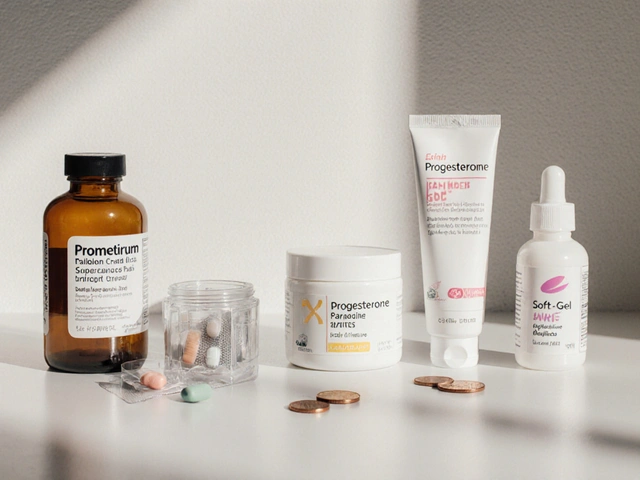
A clear, side‑by‑side comparison of Prometrium and its main alternatives, covering forms, dosing, costs, and how to choose the best progesterone option for your health needs.

Anxiety disorders affect nearly 1 in 5 adults and include types like GAD, panic disorder, and social anxiety. Evidence-based treatments like CBT and SSRIs are highly effective, with new options like digital apps and zuranolone emerging in 2023.

Learn the hidden risks of NSAID overdose, from silent GI bleeding to the dangers of mixing aspirin with pain relievers, and how to recognize early warning signs.

Cyclosporine and tacrolimus are essential for transplant patients but come with serious side effects like kidney damage, tremors, and diabetes. Learn how to manage them and what new options are emerging.

Safe, legal ways to buy Protonix online in 2025. Verify pharmacies, compare prices, use coupons, and avoid scams. Clear steps, risks, and smart alternatives.