
If you’ve seen BioCell Collagen pop up in health blogs, you’re probably wondering if it’s worth trying. In plain terms, BioCell Collagen is a dietary supplement that combines hydrolyzed type II collagen with hyaluronic acid and chondroitin sulfate. Those three ingredients work together to support skin firmness, joint comfort, and bone strength.
People who take it usually do so because they want smoother skin, less joint stiffness, or better recovery after workouts. The supplement is taken in capsule form, and most brands recommend one to three capsules a day with food.
First up, skin. Collagen is a building block of skin, and as we age, our natural supply drops. Adding BioCell Collagen can give skin cells extra material to repair the outer layer, which can translate into a more youthful look. Many users notice reduced fine lines after a few weeks of consistent use.
Next, joints. Hydrolyzed type II collagen is broken down into tiny pieces that can be absorbed easily. Those pieces can help replenish the cartilage that cushions knees, elbows, and other joints. If you’ve felt a bit sore after a hike or a long day at the desk, a daily dose might make movement feel smoother.
Finally, bones. Hyaluronic acid and chondroitin sulfate are known for supporting joint fluid and cartilage, but they also play a role in keeping bone tissue healthy. While BioCell Collagen isn’t a replacement for calcium or vitamin D, it adds an extra layer of support, especially for active folks.
When you’re ready to buy, look for a reputable brand that lists the exact amounts of collagen, hyaluronic acid, and chondroitin sulfate on the label. Trusted sites often have third‑party testing results you can check.
Don’t be fooled by ultra‑cheap options; low‑price products might cut corners on purity. A good rule of thumb is to choose a product that’s made in a GMP‑certified facility and has clear expiration dates.
Start with the lowest recommended dose. Some people feel a mild stomach upset if they jump straight to the maximum dose. Taking the capsules with a meal can also help reduce any digestive discomfort.
Give it at least six weeks before judging results. Collagen works from the inside out, so you won’t see instant changes. Keep a short journal of how your skin feels, how flexible your joints are, and any changes in energy levels.
Lastly, talk to your doctor if you’re pregnant, nursing, or have a medical condition that requires medication. While BioCell Collagen is generally safe, it’s always smart to check for possible interactions.
In a nutshell, BioCell Collagen is a simple supplement that targets skin, joints, and bones. It’s easy to add to a daily routine, and with the right product, you can see gradual improvements in how you look and move. Give it a try, stay consistent, and you’ll know within a couple of months if it’s a good fit for you.

What is BioCell Collagen? See how it works, real evidence for skin and joints, dose, side effects, and how to pick a quality supplement-clear and hype-free.
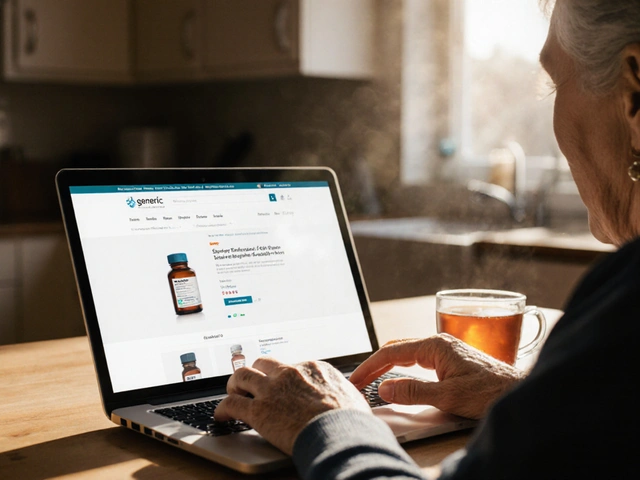
Learn how to safely buy cheap generic Celebrex online in 2025. Get price comparisons, verification tips for reputable Canadian pharmacies, ordering steps, and FAQs.

Magnesium supplements can block the absorption of osteoporosis medications like Fosamax and Actonel. Learn the two-hour timing rule to protect your bone health and avoid treatment failure.

Traveling with lupus, whether it’s discoid or systemic, requires thoughtful preparation to ensure safety and comfort. By understanding how to manage symptoms and potential triggers, individuals can enjoy their journeys with less worry. This guide provides key tips for planning trips, managing medications, and staying healthy on the road. Knowing your limits and preparing for unexpected situations can make traveling with lupus a more pleasant experience. With the right strategies, those with lupus can embrace the explorative spirit while staying safe.

Cutaneous lupus causes skin rashes triggered by UV light. Learn how sunlight activates immune responses, what protective measures actually work, and the latest treatments to prevent flares and protect your skin.

Next-generation GLP-1 agents like retatrutide and orforglipron offer unprecedented weight loss but come with persistent GI side effects and unknown long-term risks. Learn what's new, what's risky, and what you need to know before starting.