
You've probably heard the term "anabolic steroid" tossed around gyms, sports news, or online forums. In plain terms, these are synthetic versions of testosterone, the hormone that helps build muscle and boost strength. Some doctors prescribe them for medical conditions like delayed puberty or muscle loss from disease, but many athletes chase faster gains by buying them on the black market. The appeal is obvious: bigger muscles, quicker recovery, and a performance edge. But the shortcut comes with a price you need to weigh before you decide.
When you take an anabolic steroid, it floods your bloodstream with extra testosterone‑like molecules. Your cells have receptors that lock onto these hormones, telling them to crank up protein production. More protein means more muscle fibers repair and grow after a workout. The effect can be dramatic—users often see noticeable size gains in weeks instead of months. However, the body also senses the overload and may reduce its own natural testosterone output, which can cause hormonal imbalance once you stop using the drug.
The short‑term benefits hide a slew of health hazards. Acne, oily skin, and hair loss are among the first signs people notice. Inside the body, steroids can raise bad cholesterol (LDL) and lower good cholesterol (HDL), increasing heart disease risk. Liver strain is another big concern, especially with oral forms that pass through the digestive system. Women may experience deepening of the voice, increased facial hair, or menstrual changes. Men might face shrinking testicles, infertility, or breast tissue growth. Psychological effects—mood swings, aggression, and dependence—also show up fairly often.
If you’re thinking about using steroids for a fitness goal, consider safer alternatives first. Natural training programs that focus on progressive overload, proper nutrition, and adequate sleep can deliver solid gains without the health gamble. Supplements like creatine, beta‑alanine, or whey protein have strong research backing and far fewer side effects. Consulting a sports physician or an endocrinologist can also help you set realistic targets while keeping your body safe.
Legal status varies by country. In most places, buying anabolic steroids without a prescription is illegal, and possession can lead to fines or jail time. Even if the law permits medical use, doctors usually reserve prescriptions for serious health issues—not for aesthetic bodybuilding. Ignoring these rules not only puts you at legal risk but also means you're more likely to get low‑quality products laced with harmful contaminants.
Bottom line: anabolic steroids can boost muscle size quickly, but they bring a cascade of side effects that affect the heart, liver, hormones, and mood. Weighing short‑term gains against long‑term health is essential. If you choose to stay away from them, focus on proven training methods, balanced nutrition, and legal supplements—your body will thank you for the extra care.

A deep dive into online pharmacy roidbazaar.to: how it works, what to look out for, tips on safe ordering, and what real users should know before buying.
Pharmacists play a critical role in catching problematic generic medications that can cause therapeutic failure or adverse effects. Learn when and how to flag unsafe substitutions, especially with narrow therapeutic index drugs.

Many patients skip or forget medications due to complex schedules, high costs, poor communication, and forgetfulness-not laziness. Learn the real reasons behind nonadherence and what actually works to fix it.

Thyroid storm is a rare but deadly complication of untreated hyperthyroidism, requiring urgent ICU care. Learn the signs, triggers, and life-saving treatments that can turn the tide in this endocrine emergency.
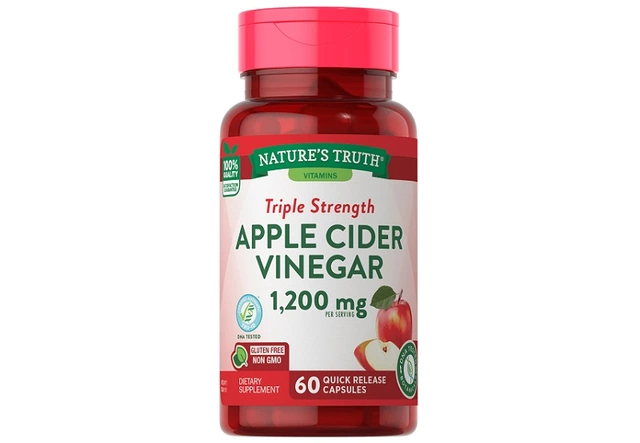
I recently discovered the incredible healing properties of Hedge-Hyssop, and I can't wait to share this new go-to dietary supplement with you all! Not only does this powerful herb support digestion and ease stomach issues, but it also helps to reduce inflammation and alleviate pain. As a natural remedy, Hedge-Hyssop has been proven to be safe and effective. I've personally experienced its benefits and highly recommend giving it a try. Incorporating Hedge-Hyssop into your daily routine could be the perfect addition to support your overall health and well-being.

Learn how to safely buy cheap generic Premarin online, verify legitimate pharmacies, compare prices, and understand dosage, side effects, and legal requirements.